


- Afhalen na 1 uur in een winkel met voorraad
- Gratis thuislevering in België vanaf € 30
- Ruim aanbod met 7 miljoen producten
- Afhalen na 1 uur in een winkel met voorraad
- Gratis thuislevering in België vanaf € 30
- Ruim aanbod met 7 miljoen producten





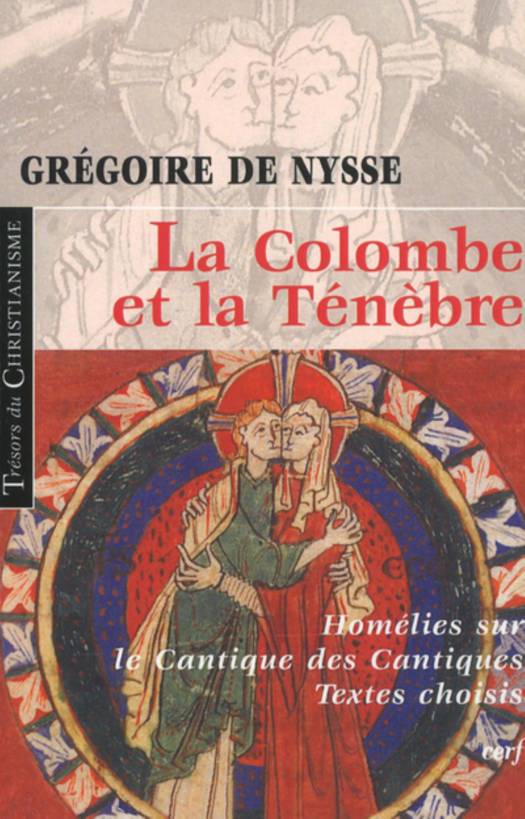
LA COLOMBE ET LA TENEBRE
textes choisis des homélies sur le Cantique des cantiques
Canevet Mariette, Nysse Gregoire De
Paperback | Frans
€ 7,00
+ 14 punten
Omschrijving
Les textes présentés ici sont extraits des « Homélies sur le Cantique des Cantiques », l'un des deux grands textes spirituels de Grégoire, évêque de Nysse en Cappadoce au IVe siècle. Ce Père de l'Église, grand admirateur d'Origène, est un fin lettré. Parlant latin, grec, hébreu, il possède aussi une véritable culture philosophique et manie avec bonheur la rhétorique. Ici, Grégoire invite le lecteur à s'élever de degré en degré — de verset en verset — vers le Christ toujours saisi et jamais atteint. La colombe représente l'Esprit saint qui nous habite, et la « ténèbre » l'inaccessibilité de Dieu, toujours au-delà de ce que nous en connaissons. On ne cesse de goûter, dans ces pages qui nous paraissent si proches, le parfait équilibre où se rejoignent une théologie sûre, une vie sacramentaire et ecclésiale, et une mystique personnelle profonde.
--
Here, readers will find excerpts from the homilies ‘On the Song of Songs', one of the two great spiritual texts by Gregory, bishop of Nyssa in 4th century Cappadocia. This Father of the Church, a great admirer of Origen, was a man of letters. Speaking Latin, Greek and Hebrew, he also possessed an authentic philosophical culture and a talent for rhetoric. Here, Gregory invites the reader to rise up, little by little, verse by verse, toward Christ, always grasped but never attained. The dove represents the Holy Spirit that lives within us, and the ‘twilight' the inaccessibility of God, always beyond reach of our knowledge of him. In these pages which are so close to our times, we enjoy the perfect balance of a sound theology, a sacramental and ecclesial life, and a deep personal mysticism.
--
Here, readers will find excerpts from the homilies ‘On the Song of Songs', one of the two great spiritual texts by Gregory, bishop of Nyssa in 4th century Cappadocia. This Father of the Church, a great admirer of Origen, was a man of letters. Speaking Latin, Greek and Hebrew, he also possessed an authentic philosophical culture and a talent for rhetoric. Here, Gregory invites the reader to rise up, little by little, verse by verse, toward Christ, always grasped but never attained. The dove represents the Holy Spirit that lives within us, and the ‘twilight' the inaccessibility of God, always beyond reach of our knowledge of him. In these pages which are so close to our times, we enjoy the perfect balance of a sound theology, a sacramental and ecclesial life, and a deep personal mysticism.
Specificaties
Betrokkenen
- Auteur(s):
- Vertaler(s):
- Uitgeverij:
Inhoud
- Aantal bladzijden:
- 210
- Taal:
- Frans
Eigenschappen
- Productcode (EAN):
- 9782204090506
- Verschijningsdatum:
- 27/08/2009
- Uitvoering:
- Paperback
- Afmetingen:
- 135 mm x 195 mm
- Gewicht:
- 250 g


Alleen bij Standaard Boekhandel
+ 14 punten op je klantenkaart van Standaard Boekhandel
CADEAU

AANGERADEN


Beoordelingen
We publiceren alleen reviews die voldoen aan de voorwaarden voor reviews. Bekijk onze voorwaarden voor reviews.