


- Afhalen na 1 uur in een winkel met voorraad
- Gratis thuislevering in België vanaf € 30
- Ruim aanbod met 7 miljoen producten
- Afhalen na 1 uur in een winkel met voorraad
- Gratis thuislevering in België vanaf € 30
- Ruim aanbod met 7 miljoen producten





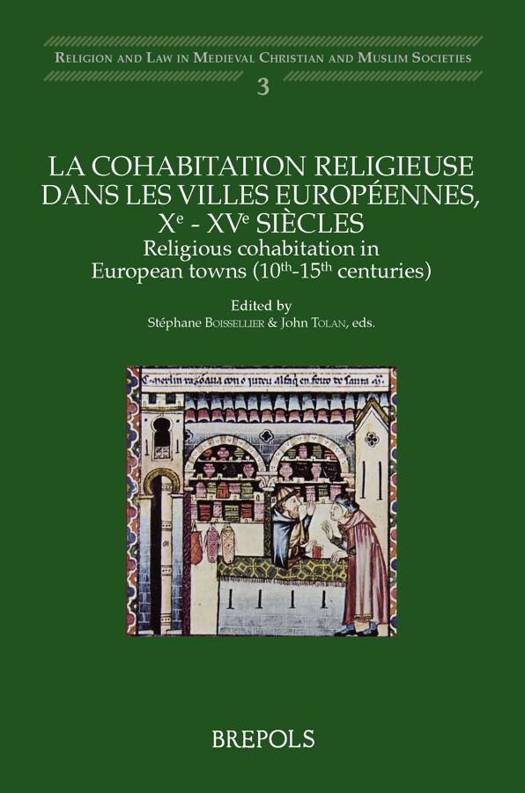
La cohabitation religieuse dans les villes Européennes, Xe - XVe siècles. Religious cohabitation in European towns (10th-15th centuries)
John V. Tolan
€ 95,40
+ 190 punten
Omschrijving
Medieval towns, from Portugal to Hungary to Egypt, were places of contact between members of different religious communities, Muslim, Christian and Jewish, who rubbed shoulders in the ports and on the streets, who haggled in the markets, signed contracts, and shared wells, courtyards, dining tables, bath houses, and sometimes beds. These interactions caused legal problems from the point of view of the Jewish, Christian and Muslim judicial scholars of the middle ages, not to mention for the rulers of these towns. These legal attempts to define and solve the problems posed by interreligious relations are the subject of this volume, which brings together the work of seventeen scholars from nine countries (France, Italy, Spain, Hungary, Portugal, Lebanon, Israel, Tunisia, USA), specialists in history, law, archaeology and religion.
Specificaties
Betrokkenen
- Auteur(s):
- Uitgeverij:
Inhoud
- Aantal bladzijden:
- 325
- Taal:
- Frans
- Reeks:
- Reeksnummer:
- nr. 3
Eigenschappen
- Productcode (EAN):
- 9782503552521
- Verschijningsdatum:
- 28/01/2015
- Uitvoering:
- Paperback
- Formaat:
- Trade paperback (VS)
- Afmetingen:
- 152 mm x 234 mm
- Gewicht:
- 598 g


Alleen bij Standaard Boekhandel
+ 190 punten op je klantenkaart van Standaard Boekhandel
Cadeau

AANGERADEN


Beoordelingen
We publiceren alleen reviews die voldoen aan de voorwaarden voor reviews. Bekijk onze voorwaarden voor reviews.