


- Afhalen na 1 uur in een winkel met voorraad
- Gratis thuislevering in België vanaf € 30
- Ruim aanbod met 7 miljoen producten
- Afhalen na 1 uur in een winkel met voorraad
- Gratis thuislevering in België vanaf € 30
- Ruim aanbod met 7 miljoen producten





€ 33,95
+ 67 punten
Uitvoering
Eenvoudig bestellen
Veilig betalen


Gratis thuislevering vanaf € 30 (via bpost)
Gratis levering in je Standaard Boekhandel
Omschrijving
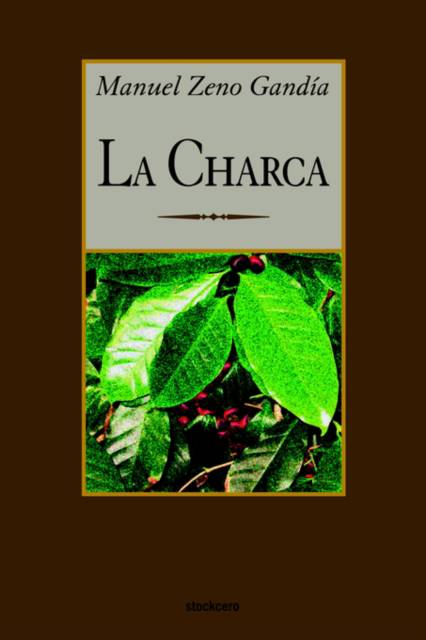
The double condition of Manuel Zeno Gandía -as medical doctor and politician- joins the writer's to transform the drama in La Charca into a deep reflection upon the evils that still nowadays harm the Latin American societies in general, and Puerto Rico in particular. Within the Crónicas de un mundo enfermo series, La charca (1894) is the best from a literary standpoint. As the reader delves into the plot the depiction of the labourers' life, tersely exposed and without panphletary adjectivations, stands out as a stern denunciation. The discusions between the cult and freethinking Juan del Salto and his friends -doctor Pintado and the religious P. Esteban- contrast with the outcome and become a loud call of attention cast at the cultivated class that, having wasted decades in the discussion of social improvement theories, proved themselves incapable of building a legal and political framework to humanize the lives of the dispossesed and foster among them the practices to induce their gowth out of poverty. Zeno Gandía, as Balzac and Pérez Galdós, initiates in La Charca a narrative universe with archetypical characters that later on will reappear in successive works, sometimes under different names. Human society, degraded by its passions and hampered by colonial mentalities, first under Spain and later on under the US influence, constitutes the axis of Zeno Gandías's novels, in a narrative tone both naturalistic and cultivated.
Specificaties
Betrokkenen
- Auteur(s):
- Uitgeverij:
Inhoud
- Aantal bladzijden:
- 180
- Taal:
- Spaans
Eigenschappen
- Productcode (EAN):
- 9789871136315
- Verschijningsdatum:
- 10/05/2005
- Uitvoering:
- Paperback
- Formaat:
- Trade paperback (VS)
- Afmetingen:
- 152 mm x 229 mm
- Gewicht:
- 272 g


Alleen bij Standaard Boekhandel
+ 67 punten op je klantenkaart van Standaard Boekhandel
CADEAU

AANGERADEN


Beoordelingen
We publiceren alleen reviews die voldoen aan de voorwaarden voor reviews. Bekijk onze voorwaarden voor reviews.