


- Afhalen na 1 uur in een winkel met voorraad
- Gratis thuislevering in België vanaf € 30
- Ruim aanbod met 7 miljoen producten
- Afhalen na 1 uur in een winkel met voorraad
- Gratis thuislevering in België vanaf € 30
- Ruim aanbod met 7 miljoen producten





€ 76,45
+ 152 punten
Uitvoering
Omschrijving
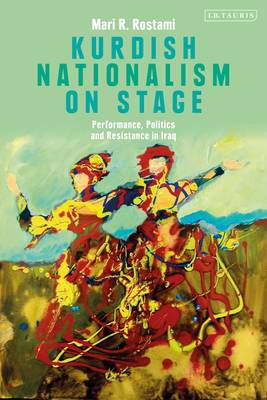
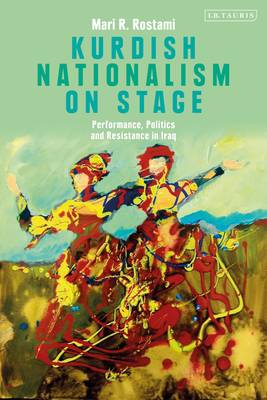
Since its emergence in the 1920s, Iraqi-Kurdish theatre was used as a tool of national identity building and modernisation. It promoted literacy, education and women's rights and became one of the most visible forms of Kurdish cultural nationalism by exploring folklore, myths, legends and local history and by celebrating heroes of the past. As time went on, by staging anti-feudalist and anti-monarchist plays, theatre became engaged in representing and legitimising the wider political movement in Iraq that ultimately led to the overthrow of the monarchy in 1958. Between 1975-1991, even under strict censorship during the Baath rule, Kurdish theatre continued to promote Kurdish nationalism and resistance through the use of Kurdish folk culture and literature. This book is based on dramatic texts from the period, interviews with Kurdish theatre artists, Kurdish theatre histories, historical documents, and journalistic accounts. It illustrates the ways in which theatre participated in the Kurdish national struggle and how it responded to political changes in different historical periods. It is the first book dedicated to Kurdish theatre and complements the latest research that examines theatre in its wider socio-political context.
Specificaties
Betrokkenen
- Auteur(s):
- Uitgeverij:
Inhoud
- Aantal bladzijden:
- 264
- Taal:
- Engels
- Reeks:
Eigenschappen
- Productcode (EAN):
- 9780755638550
- Verschijningsdatum:
- 24/12/2020
- Uitvoering:
- Paperback
- Formaat:
- Trade paperback (VS)
- Afmetingen:
- 156 mm x 234 mm
- Gewicht:
- 371 g


Alleen bij Standaard Boekhandel
+ 152 punten op je klantenkaart van Standaard Boekhandel
Cadeau

AANGERADEN


Beoordelingen
We publiceren alleen reviews die voldoen aan de voorwaarden voor reviews. Bekijk onze voorwaarden voor reviews.