


- Afhalen na 1 uur in een winkel met voorraad
- Gratis thuislevering in België vanaf € 30
- Ruim aanbod met 7 miljoen producten
- Afhalen na 1 uur in een winkel met voorraad
- Gratis thuislevering in België vanaf € 30
- Ruim aanbod met 7 miljoen producten





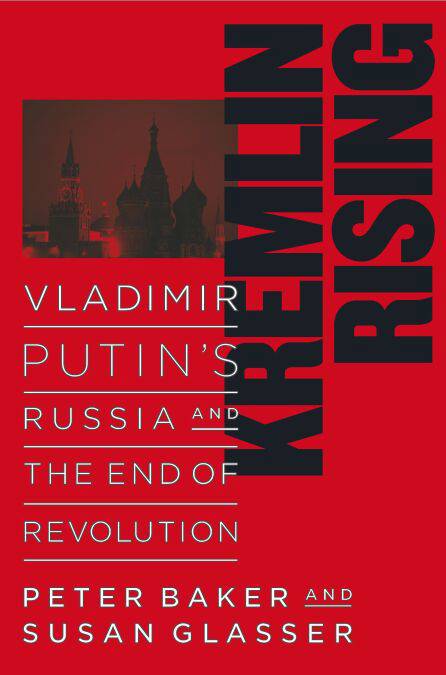
Kremlin Rising E-BOOK
Vladimir Putin's Russia and the End of Revolution
Peter Baker, Susan Glasser
E-book | Engels
€ 20,12
+ 20 punten
Omschrijving
In the tradition of Hedrick Smith's The Russians, Robert G. Kaiser's Russia: The People and the Power, and David Remnick's Lenin's Tomb comes an eloquent and eye-opening chronicle of Vladimir Putin's Russia, from this generation's leading Moscow correspondents.
With the 1991 collapse of the Soviet Union, Russia launched itself on a fitful transition to Western-style democracy. But a decade later, Boris Yeltsin's handpicked successor, Vladimir Putin, a childhood hooligan turned KGB officer who rose from nowhere determined to restore the order of the Soviet past, resolved to bring an end to the revolution. Kremlin Rising goes behind the scenes of contemporary Russia to reveal the culmination of Project Putin, the secret plot to reconsolidate power in the Kremlin.
During their four years as Moscow bureau chiefs for The Washington Post, Peter Baker and Susan Glasser witnessed firsthand the methodical campaign to reverse the post-Soviet revolution and transform Russia back into an authoritarian state. Their gripping narrative moves from the unlikely rise of Putin through the key moments of his tenure that re-centralized power into his hands, from his decision to take over Russia's only independent television network to the Moscow theater siege of 2002 to the "managed democracy" elections of 2003 and 2004 to the horrific slaughter of Beslan's schoolchildren in 2004, recounting a four-year period that has changed the direction of modern Russia.
But the authors also go beyond the politics to draw a moving and vivid portrait of the Russian people they encountered -- both those who have prospered and those barely surviving -- and show how the political flux has shaped individual lives. Opening a window to a country on the brink, where behind the gleaming new shopping malls all things Soviet are chic again and even high school students wonder if Lenin was right after all, Kremlin Rising features the personal stories of Russians at all levels of society, including frightened army deserters, an imprisoned oil billionaire, Chechen villagers, a trendy Moscow restaurant king, a reluctant underwear salesman, and anguished AIDS patients in Siberia.
With shrewd reporting and unprecedented access to Putin's insiders, Kremlin Rising offers both unsettling new revelations about Russia's leader and a compelling inside look at life in the land that he is building. As the first major book on Russia in years, it is an extraordinary contribution to our understanding of the country and promises to shape the debate about Russia, its uncertain future, and its relationship with the United States.
With the 1991 collapse of the Soviet Union, Russia launched itself on a fitful transition to Western-style democracy. But a decade later, Boris Yeltsin's handpicked successor, Vladimir Putin, a childhood hooligan turned KGB officer who rose from nowhere determined to restore the order of the Soviet past, resolved to bring an end to the revolution. Kremlin Rising goes behind the scenes of contemporary Russia to reveal the culmination of Project Putin, the secret plot to reconsolidate power in the Kremlin.
During their four years as Moscow bureau chiefs for The Washington Post, Peter Baker and Susan Glasser witnessed firsthand the methodical campaign to reverse the post-Soviet revolution and transform Russia back into an authoritarian state. Their gripping narrative moves from the unlikely rise of Putin through the key moments of his tenure that re-centralized power into his hands, from his decision to take over Russia's only independent television network to the Moscow theater siege of 2002 to the "managed democracy" elections of 2003 and 2004 to the horrific slaughter of Beslan's schoolchildren in 2004, recounting a four-year period that has changed the direction of modern Russia.
But the authors also go beyond the politics to draw a moving and vivid portrait of the Russian people they encountered -- both those who have prospered and those barely surviving -- and show how the political flux has shaped individual lives. Opening a window to a country on the brink, where behind the gleaming new shopping malls all things Soviet are chic again and even high school students wonder if Lenin was right after all, Kremlin Rising features the personal stories of Russians at all levels of society, including frightened army deserters, an imprisoned oil billionaire, Chechen villagers, a trendy Moscow restaurant king, a reluctant underwear salesman, and anguished AIDS patients in Siberia.
With shrewd reporting and unprecedented access to Putin's insiders, Kremlin Rising offers both unsettling new revelations about Russia's leader and a compelling inside look at life in the land that he is building. As the first major book on Russia in years, it is an extraordinary contribution to our understanding of the country and promises to shape the debate about Russia, its uncertain future, and its relationship with the United States.
Specificaties
Betrokkenen
- Auteur(s):
- Uitgeverij:
Inhoud
- Aantal bladzijden:
- 464
- Taal:
- Engels
Eigenschappen
- Productcode (EAN):
- 9780743281799
- Verschijningsdatum:
- 6/06/2005
- Uitvoering:
- E-book
- Beveiligd met:
- Adobe DRM
- Formaat:
- ePub



Alleen bij Standaard Boekhandel
+ 20 punten op je klantenkaart van Standaard Boekhandel
Cadeau

AANGERADEN


Beoordelingen
We publiceren alleen reviews die voldoen aan de voorwaarden voor reviews. Bekijk onze voorwaarden voor reviews.