


- Afhalen na 1 uur in een winkel met voorraad
- Gratis thuislevering in België vanaf € 30
- Ruim aanbod met 7 miljoen producten
- Afhalen na 1 uur in een winkel met voorraad
- Gratis thuislevering in België vanaf € 30
- Ruim aanbod met 7 miljoen producten





Omschrijving
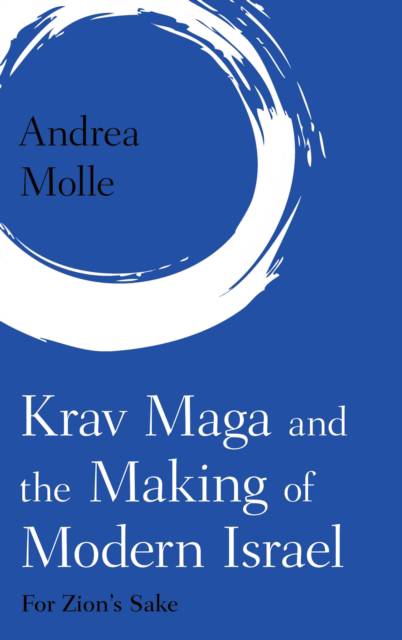
This book examines the profound interplay of martial arts, combative, and self-defense disciplines with nationalism and ethno-religious politics through the analysis of Zionism, the birth of the State of Israel, antisemitism, and the life of the contemporary Jewish Diaspora in the United States. It connects martial arts studies and political science, spearheading the new field of political hoplology. Focusing on the complex formative process of national communities, their growth, resilience, and consequences for the individuals, Krav Maga and the Making of Modern Israel presents the unique case of Krav Maga (literally hand to hand combat), a self-defense system developed between the late nineteenth and early twentieth centuries, which is now considered a staple of Israeli culture and a prime self-defense practice. Through its chapters, the book provides strong evidence supporting the idea that physical violence is indeed needed as a unifying experience to allow national communities to emerge and thrive. Furthermore, it examines the growing importance of violence for modern democratic societies and suggests the existence of a "gladiatorial effect," or the need for a certain level of violence to exist to maintain a harmonious, stable, and cooperative society.
Specificaties
Betrokkenen
- Auteur(s):
- Uitgeverij:
Inhoud
- Aantal bladzijden:
- 186
- Taal:
- Engels
- Reeks:
Eigenschappen
- Productcode (EAN):
- 9781538143612
- Verschijningsdatum:
- 4/03/2022
- Uitvoering:
- Hardcover
- Formaat:
- Genaaid
- Afmetingen:
- 152 mm x 229 mm
- Gewicht:
- 444 g



Alleen bij Standaard Boekhandel
+ 390 punten op je klantenkaart van Standaard Boekhandel
AANGERADEN


Beoordelingen
We publiceren alleen reviews die voldoen aan de voorwaarden voor reviews. Bekijk onze voorwaarden voor reviews.