



- Afhalen na 1 uur in een winkel met voorraad
- In januari gratis thuislevering in België
- Ruim aanbod met 7 miljoen producten
- Afhalen na 1 uur in een winkel met voorraad
- In januari gratis thuislevering in België
- Ruim aanbod met 7 miljoen producten





€ 24,95
+ 49 punten
Omschrijving
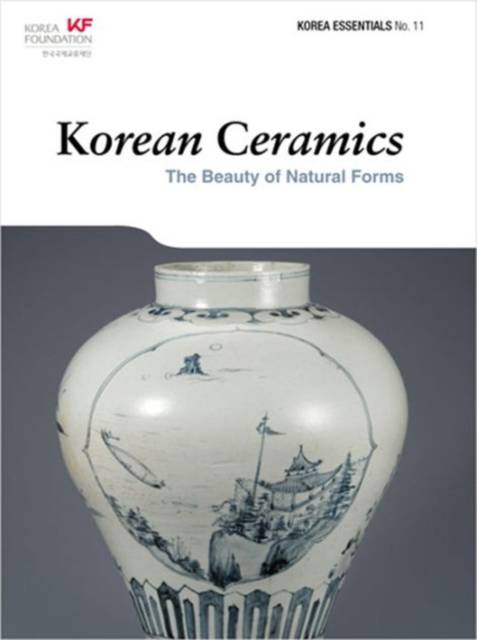
The most well-known Korean ceramics are the celadon of the Goryeo Dynasty (918-1392) and the white porcelain of the ensuing Joseon Dynasty (1392-1910). The celadons of Goryeo, their grace and color tinged with feminine beauty, symbolize an artistocratic Buddhist culture, while the white porcelains from the Joseon are thought to typify a bureaucratic and scholarly Confucian society and are essentially masculine in tone, vigorous and orderly. Korea's traditional ceramic wares serve as a barometer for understanding Korean culture in that they most accurately reflect Korean aesthetics and the Korean worldview.
Specificaties
Betrokkenen
- Auteur(s):
- Uitgeverij:
Inhoud
- Aantal bladzijden:
- 108
- Taal:
- Engels
- Reeks:
- Reeksnummer:
- nr. 11
Eigenschappen
- Productcode (EAN):
- 9788997639076
- Verschijningsdatum:
- 30/11/2013
- Uitvoering:
- Paperback
- Formaat:
- Trade paperback (VS)
- Afmetingen:
- 127 mm x 178 mm
- Gewicht:
- 136 g


Alleen bij Standaard Boekhandel
+ 49 punten op je klantenkaart van Standaard Boekhandel
Cadeau

AANGERADEN


Beoordelingen
We publiceren alleen reviews die voldoen aan de voorwaarden voor reviews. Bekijk onze voorwaarden voor reviews.