


- Afhalen na 1 uur in een winkel met voorraad
- Gratis thuislevering in België vanaf € 30
- Ruim aanbod met 7 miljoen producten
- Afhalen na 1 uur in een winkel met voorraad
- Gratis thuislevering in België vanaf € 30
- Ruim aanbod met 7 miljoen producten





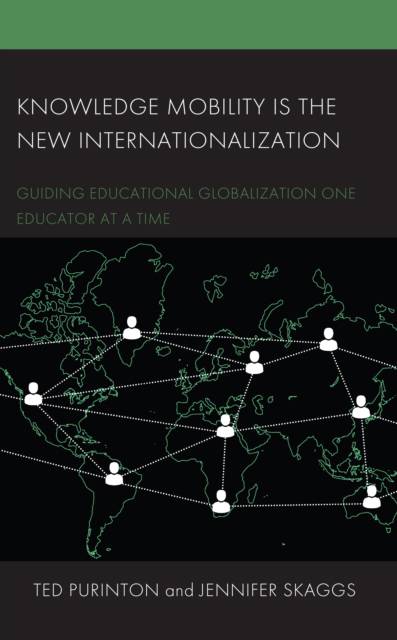
Knowledge Mobility Is the New Internationalization
Guiding Educational Globalization One Educator at a Time
Ted Purinton, Jennifer Skaggs
Hardcover | Engels
€ 186,95
+ 373 punten
Omschrijving
Knowledge Mobility is the New Internationalization: Guiding Educational Globalization One Educator at a Time shows how university-based faculties of education in both developed and developing countries can work together toward professional standards that are based on globally recognized evidence and applied in culturally appropriate, and thus sustainable, ways throughout the world. The last half century of international educational development has generated many positive accomplishments, including school access expansion and curriculum quality improvement. However, it has not produced sustainable or comprehensive results, mainly because key institutions and local culture are frequently ignored. Simultaneous to the production of these mixed results in developing countries, education scholars and faculties of education in wealthier countries have pursued an agenda of professionalization of the educational occupations--through higher qualification requirements, more stringent entry standards, and explicit evidence to guide practice. Furthermore, higher education internationalization has increased its scope and expanded its volume. Yet in these three areas--educational development, educational professionalization, and higher education internationalization--there has rarely been any convergence. This book makes a case for this vital union.
Specificaties
Betrokkenen
- Auteur(s):
- Uitgeverij:
Inhoud
- Aantal bladzijden:
- 208
- Taal:
- Engels
Eigenschappen
- Productcode (EAN):
- 9781666908893
- Verschijningsdatum:
- 9/09/2022
- Uitvoering:
- Hardcover
- Formaat:
- Genaaid
- Afmetingen:
- 152 mm x 229 mm
- Gewicht:
- 476 g



Alleen bij Standaard Boekhandel
+ 373 punten op je klantenkaart van Standaard Boekhandel
Cadeau

AANGERADEN


Beoordelingen
We publiceren alleen reviews die voldoen aan de voorwaarden voor reviews. Bekijk onze voorwaarden voor reviews.