


- Afhalen na 1 uur in een winkel met voorraad
- Gratis thuislevering in België vanaf € 30
- Ruim aanbod met 7 miljoen producten
- Afhalen na 1 uur in een winkel met voorraad
- Gratis thuislevering in België vanaf € 30
- Ruim aanbod met 7 miljoen producten




Omschrijving
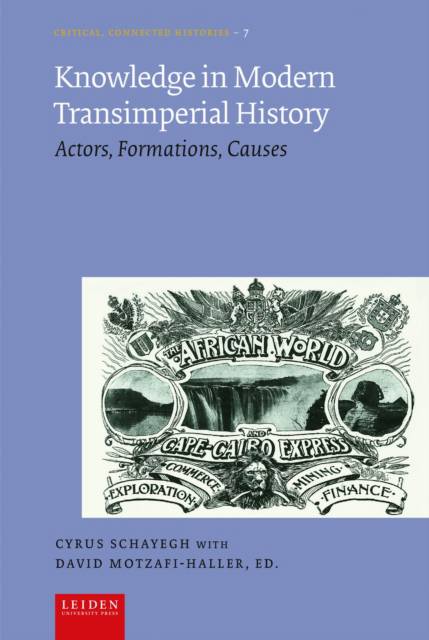
This volume intervenes in the growing field of transimperial history, which explores interactions across empires--European and non-European--between the mid-1800s and mid-1900s, a period of heightened imperial entanglement. It focuses on how actors from one empire came to know, interpret, and position themselves in relation to actors from other empires, emphasizing the role of socio-professional profiles, informal networks, and formal institutions. The volume is structured around three themes. First, it examines actors, including both individuals (e.g. a Chinese diplomat in Europe) and professional groups (e.g. journalists, military officers). Second, it analyzes formations of transimperial knowledge through diverse textual objects such as bank chops and travelogues, highlighting processes of commensurabilization. Third, it explores causes, noting how specific inter-imperial junctures and enabling factors--like language skills and institutional access--facilitated knowledge creation. Altogether, the volume sheds light on the concrete, situated ways in which transimperial knowledge was produced, mediated, and made meaningful in a competitive imperial world.
Specificaties
Betrokkenen
- Auteur(s):
- Uitgeverij:
Inhoud
- Aantal bladzijden:
- 274
- Taal:
- Engels
- Reeks:
- Reeksnummer:
- nr. 7
Eigenschappen
- Productcode (EAN):
- 9789087284671
- Verschijningsdatum:
- 25/11/2025
- Uitvoering:
- Hardcover
- Formaat:
- Genaaid
- Afmetingen:
- 156 mm x 235 mm
- Gewicht:
- 596 g


Alleen bij Standaard Boekhandel
Cadeau

AANGERADEN


Beoordelingen
We publiceren alleen reviews die voldoen aan de voorwaarden voor reviews. Bekijk onze voorwaarden voor reviews.