


- Afhalen na 1 uur in een winkel met voorraad
- Gratis thuislevering in België vanaf € 30
- Ruim aanbod met 7 miljoen producten
- Afhalen na 1 uur in een winkel met voorraad
- Gratis thuislevering in België vanaf € 30
- Ruim aanbod met 7 miljoen producten





€ 39,45
+ 78 punten
Eenvoudig bestellen
Veilig betalen


Gratis thuislevering vanaf € 30 (via bpost)
Gratis levering in je Standaard Boekhandel
Omschrijving
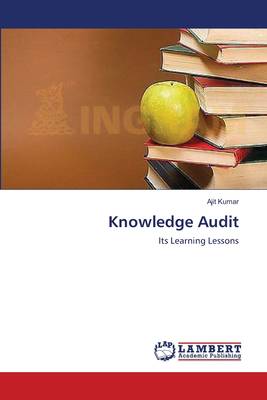
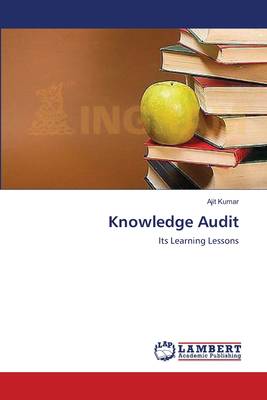
This Book discusses basics of Knowledge, Knowledge Management viz., concepts, issues, creations and transformation. The implication of Knowledge Management on Human Resources and Organization is also elaborated in this book. The correlation between KM and economic growth with the help of social and economic indicators between the developed and developing countries are also described in this book. Lastly book provides the brief information about knowledge audit and its components i.e knowledge need analysis, knowledge inventory analysis, knowledge flow analysis and knowledge mapping. The role of knowledge auditor and the knowledge audit methodology also described.The case studies of the different organization are describing in the last chapter of this book, which will help the knowledge auditors. The 8 "C"s audit i.e connectivity, content, community, culture, capacity, cooperation, commerce and capital are explained with the suitable examples.
Specificaties
Betrokkenen
- Auteur(s):
- Uitgeverij:
Inhoud
- Aantal bladzijden:
- 68
- Taal:
- Engels
Eigenschappen
- Productcode (EAN):
- 9783659494833
- Verschijningsdatum:
- 29/11/2013
- Uitvoering:
- Paperback
- Afmetingen:
- 150 mm x 220 mm
- Gewicht:
- 113 g


Alleen bij Standaard Boekhandel
+ 78 punten op je klantenkaart van Standaard Boekhandel
CADEAU

AANGERADEN


Beoordelingen
We publiceren alleen reviews die voldoen aan de voorwaarden voor reviews. Bekijk onze voorwaarden voor reviews.