


- Afhalen na 1 uur in een winkel met voorraad
- Gratis thuislevering in België vanaf € 30
- Ruim aanbod met 7 miljoen producten
- Afhalen na 1 uur in een winkel met voorraad
- Gratis thuislevering in België vanaf € 30
- Ruim aanbod met 7 miljoen producten





Omschrijving
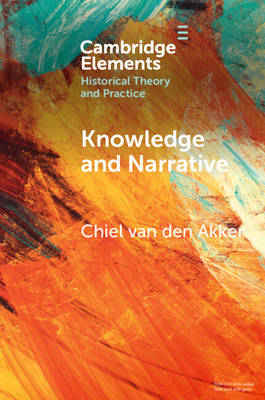
This Element is concerned with narrative as a mode of knowing. It draws attention to the epistemic value of historical narrative qua narrative. This it does not only in an abstract sense, but also with the help of recent works of history. Special attention is given to narrative sentences and narrative theses. A narrative thesis redescribes the actions and events the historian is concerned with and allows for the temporal whole or unity we associate with narrative, with its beginning, middle, and end. A thesis, it is argued, is indispensable and qualifies the work of historians as narrative. The concern with narrative has not lost any of its relevance, for the simple reason that it informs us about history as an academic discipline and the knowledge it produces. For as long as historians decide what events are important in their past and for what reason, they will rely on narrative.
Specificaties
Betrokkenen
- Auteur(s):
- Uitgeverij:
Inhoud
- Aantal bladzijden:
- 70
- Taal:
- Engels
- Reeks:
Eigenschappen
- Productcode (EAN):
- 9781009108348
- Verschijningsdatum:
- 18/12/2025
- Uitvoering:
- Paperback
- Formaat:
- Trade paperback (VS)
- Afmetingen:
- 152 mm x 229 mm
- Gewicht:
- 104 g


Alleen bij Standaard Boekhandel
+ 72 punten op je klantenkaart van Standaard Boekhandel
Cadeau

AANGERADEN


Beoordelingen
We publiceren alleen reviews die voldoen aan de voorwaarden voor reviews. Bekijk onze voorwaarden voor reviews.