


- Afhalen na 1 uur in een winkel met voorraad
- Gratis thuislevering in België vanaf € 30
- Ruim aanbod met 7 miljoen producten
- Afhalen na 1 uur in een winkel met voorraad
- Gratis thuislevering in België vanaf € 30
- Ruim aanbod met 7 miljoen producten





€ 44,95
+ 89 punten
Eenvoudig bestellen
Veilig betalen


Gratis thuislevering vanaf € 30 (via bpost)
Gratis levering in je Standaard Boekhandel
Omschrijving
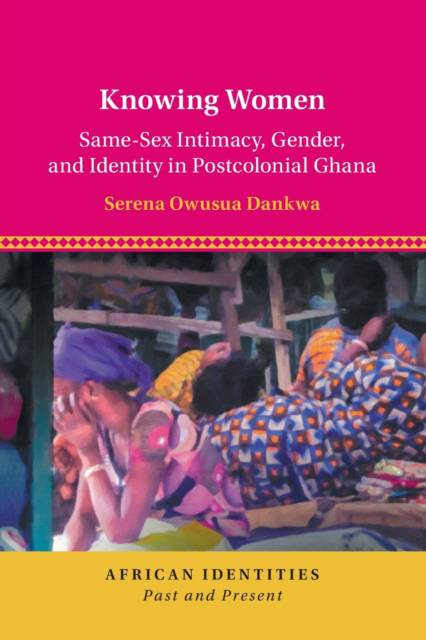
Knowing Women is a study of same-sex desire in West Africa, which explores the lives and friendships of working-class women in southern Ghana who are intimately involved with each other. Based on in-depth research of the life histories of women in the region, Serena O. Dankwa highlights the vibrancy of everyday same-sex intimacies that have not been captured in a globally pervasive language of sexual identity. Paying close attention to the women's practices of self-reference, Dankwa refers to them as 'knowing women' in a way that both distinguishes them from, and relates them to categories such as lesbian or supi, a Ghanaian term for female friend. In doing so, this study is not only a significant contribution to the field of global queer studies in which both women and Africa have been underrepresented, but a starting point to further theorize the relation between gender, kinship, and sexuality that is key to queer, feminist, and postcolonial theories. This title is also available as Open Access on Cambridge Core.
Specificaties
Betrokkenen
- Auteur(s):
- Uitgeverij:
Inhoud
- Aantal bladzijden:
- 332
- Taal:
- Engels
- Reeks:
Eigenschappen
- Productcode (EAN):
- 9781108811026
- Verschijningsdatum:
- 10/11/2022
- Uitvoering:
- Paperback
- Formaat:
- Trade paperback (VS)
- Afmetingen:
- 152 mm x 229 mm
- Gewicht:
- 444 g


Alleen bij Standaard Boekhandel
+ 89 punten op je klantenkaart van Standaard Boekhandel
CADEAU

AANGERADEN


Beoordelingen
We publiceren alleen reviews die voldoen aan de voorwaarden voor reviews. Bekijk onze voorwaarden voor reviews.