


- Afhalen na 1 uur in een winkel met voorraad
- Gratis thuislevering in België vanaf € 30
- Ruim aanbod met 7 miljoen producten
- Afhalen na 1 uur in een winkel met voorraad
- Gratis thuislevering in België vanaf € 30
- Ruim aanbod met 7 miljoen producten





€ 187,45
+ 374 punten
Uitvoering
Eenvoudig bestellen
Veilig betalen


Gratis thuislevering vanaf € 30 (via bpost)
Gratis levering in je Standaard Boekhandel
Omschrijving
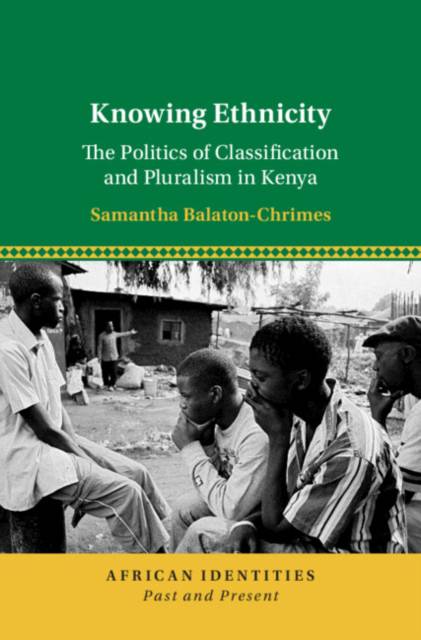
There is a widespread assumption that both ethnicity itself and ethnic conflict, are inevitable. Yet, we know very little about how ethnic identifications function in bureaucratic terms in Africa. The stakes of this problem are rapidly escalating in moves to digital identification and population knowledge systems. Focusing on Kenya, this study provides an urgently needed exploration of where ethnic classifications have come from, and where they might go. Through genealogies of tools of ethnic identification - maps, censuses, ID cards and legal categories for minorities and marginalised communities - Samantha Balaton-Chrimes challenges conventional understandings of classifications as legible. Instead, she shows them to be uncertain and vague in useful ways, opening up new modes of imagining how bureaucracy can be used to advance pluralism. Knowing Ethnicity holds important insights for policymakers and scholars of difference and governmentality in postcolonial societies, as well as African and ethnic politics.
Specificaties
Betrokkenen
- Auteur(s):
- Uitgeverij:
Inhoud
- Aantal bladzijden:
- 266
- Taal:
- Engels
- Reeks:
Eigenschappen
- Productcode (EAN):
- 9781009707817
- Verschijningsdatum:
- 9/04/2026
- Uitvoering:
- Hardcover
- Formaat:
- Genaaid
- Afmetingen:
- 152 mm x 229 mm
- Gewicht:
- 526 g


Alleen bij Standaard Boekhandel
+ 374 punten op je klantenkaart van Standaard Boekhandel
CADEAU

AANGERADEN


Beoordelingen
We publiceren alleen reviews die voldoen aan de voorwaarden voor reviews. Bekijk onze voorwaarden voor reviews.