Standaard Boekhandel gebruikt cookies en gelijkaardige technologieën om de website goed te laten werken en je een betere surfervaring te bezorgen.
Hieronder kan je kiezen welke cookies je wilt inschakelen:
Technische en functionele cookies
Deze cookies zijn essentieel om de website goed te laten functioneren, en laten je toe om bijvoorbeeld in te loggen. Je kan deze cookies niet uitschakelen.
Analytische cookies
Deze cookies verzamelen anonieme informatie over het gebruik van onze website. Op die manier kunnen we de website beter afstemmen op de behoeften van de gebruikers.
Marketingcookies
Deze cookies delen je gedrag op onze website met externe partijen, zodat je op externe platformen relevantere advertenties van Standaard Boekhandel te zien krijgt.
Bedankt voor het vertrouwen het afgelopen jaar! Om jou te bedanken bieden we GRATIS verzending (in België) aan op alles gedurende de hele maand januari.
Afhalen na 1 uur in een winkel met voorraad
In januari gratis thuislevering in België
Ruim aanbod met 7 miljoen producten
Bedankt voor het vertrouwen het afgelopen jaar! Om jou te bedanken bieden we GRATIS verzending (in België) aan op alles gedurende de hele maand januari.
Je kan maximaal 250 producten tegelijk aan je winkelmandje toevoegen. Verwijdere enkele producten uit je winkelmandje, of splits je bestelling op in meerdere bestellingen.
In januari gratis thuislevering in België (via bpost)
Gratis levering in je Standaard Boekhandel
Omschrijving
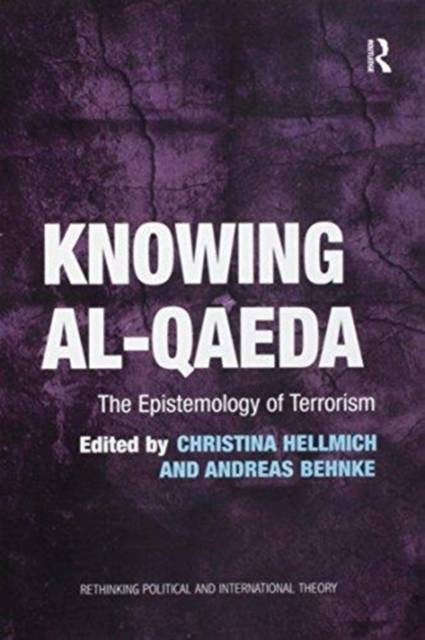
Despite a plethora of studies devoted to it, the current understanding of al-Qaeda and the threat it poses remains vague and ambiguous. Is al-Qaeda a rigidly structured organisation, a global network of semi-independent cells, a franchise, or simply an ideology? What role did Osama bin Laden play within the group and its terrorist campaign? What does it mean to talk about the "global Salafi-jihad" threat allegedly confronting the West? In addressing such questions many writers have sought to offer definitive answers, yet overall the truth about al-Qaeda remains elusive. This book moves beyond this traditional approach in order to investigate and critically assess how such answers reflect the particular epistemological frameworks within which they are produced. Its chapters explore the varied contexts within which the obscure entity labelled al-Qaeda is constituted as a comprehensible object of political, strategic, cultural, and scientific knowledge, and within which 'terrorism' is rendered an experience of quotidian life. This volume offers a much-needed critical reflection on Western ways of talking and of thinking about the frightening experience of global terrorism. In trying to know how we know al-Qaeda, it offers us an opportunity to try to know ourselves and our often hidden assumptions about legitimacy, violence, and political purpose.