


- Afhalen na 1 uur in een winkel met voorraad
- Gratis thuislevering in België vanaf € 30
- Ruim aanbod met 7 miljoen producten
- Afhalen na 1 uur in een winkel met voorraad
- Gratis thuislevering in België vanaf € 30
- Ruim aanbod met 7 miljoen producten





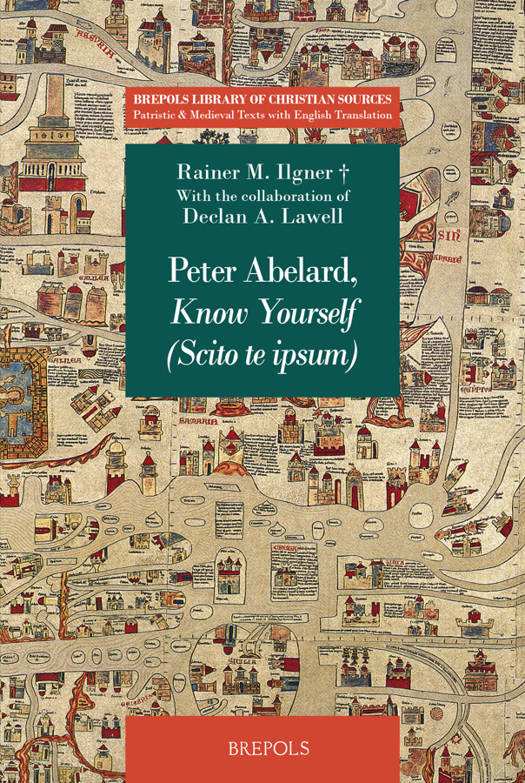
Know Yourself (Scito te ipsum)
Rainer M Ilgner
€ 58,30
+ 116 punten
Omschrijving
Peter Abelard (1079-1142), famous for his unhappy love story with Heloise, which he wrote down in his autobiographical work Historia calamitatum, was among the most respected scholars of his time. Brilliant as a philosopher and theologian, he was one of the co-founders of scholasticism, seeking to elucidate theological facts through logic. Scito te ipsum is one of the most important texts of the twelfth century. Only in the later phase of his life and work did Abelard decide to separate the moral themes from his overall theological outline and to dedicate a monograph to them under the guiding concepts of "sin" (First Book) and "obedience before God" (Second Book, not elaborated). As Ethica nostra it was intended to provide a Christian conception alongside philosophical ethics and to summarise the results of his previous studies. Along with Abelard's entire theology, this treatise was also condemned as heretical by Pope Innocent II and was long considered lost. Since its rediscovery in the 18th century, it has met with lively interest, also from a philosophical point of view. The historical aspect and the integration into Abelard's complete works receive special attention in the introduction to this volume, which presents the Latin text from the Corpus Christianorum (CC CM 190) with a new English translation.
Specificaties
Betrokkenen
- Auteur(s):
- Uitgeverij:
Inhoud
- Aantal bladzijden:
- 309
- Taal:
- Frans
- Reeks:
- Reeksnummer:
- nr. 8
Eigenschappen
- Productcode (EAN):
- 9782503601632
- Verschijningsdatum:
- 2/05/2025
- Uitvoering:
- Paperback
- Formaat:
- Trade paperback (VS)
- Gewicht:
- 93793 g


Alleen bij Standaard Boekhandel
+ 116 punten op je klantenkaart van Standaard Boekhandel
Cadeau

AANGERADEN


Beoordelingen
We publiceren alleen reviews die voldoen aan de voorwaarden voor reviews. Bekijk onze voorwaarden voor reviews.