


- Afhalen na 1 uur in een winkel met voorraad
- Gratis thuislevering in België vanaf € 30
- Ruim aanbod met 7 miljoen producten
- Afhalen na 1 uur in een winkel met voorraad
- Gratis thuislevering in België vanaf € 30
- Ruim aanbod met 7 miljoen producten





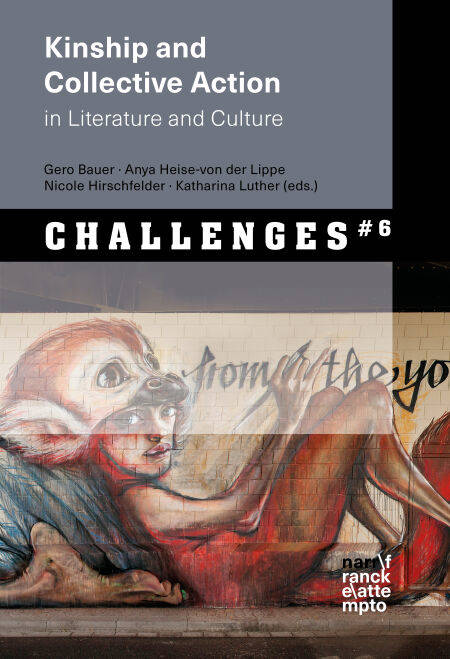
Kinship and Collective Action E-BOOK
in Literature and Culture
€ 62,40
+ 62 punten
Omschrijving
"Make kin, not babies!", Donna Haraway demands in an attempt to offer new and creative ways of thinking what kinship might mean in an age of ecological devastation. At the same time, the emergence of a seemingly new culture of public protest and political opinion have provoked scholars such as Judith Butler to address the contexts and dynamics of public collective action. This volume explores the dynamic relationship between structures of kinship and the (material) conditions under which collective action emerges from a literary and cultural studies perspective. How are kinship and collective action negotiated in literature, the arts, or in specific historical moments, and how does this affect the role of representation? How have conceptualizations of both concepts developed over time, and what can we infer from this for questions of kinship and collective action today?
Specificaties
Betrokkenen
- Uitgeverij:
Inhoud
- Aantal bladzijden:
- 291
- Taal:
- Engels
- Reeks:
Eigenschappen
- Productcode (EAN):
- 9783823302292
- Verschijningsdatum:
- 27/09/2020
- Uitvoering:
- E-book
- Beveiligd met:
- Digital watermarking
- Formaat:
- ePub

Alleen bij Standaard Boekhandel
+ 62 punten op je klantenkaart van Standaard Boekhandel
Cadeau

AANGERADEN


Beoordelingen
We publiceren alleen reviews die voldoen aan de voorwaarden voor reviews. Bekijk onze voorwaarden voor reviews.