


- Afhalen na 1 uur in een winkel met voorraad
- Gratis thuislevering in België vanaf € 30
- Ruim aanbod met 7 miljoen producten
- Afhalen na 1 uur in een winkel met voorraad
- Gratis thuislevering in België vanaf € 30
- Ruim aanbod met 7 miljoen producten





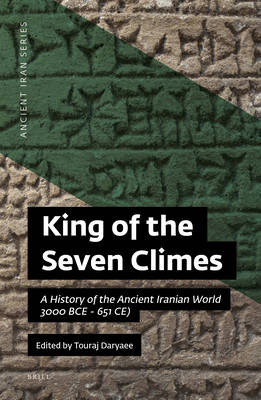
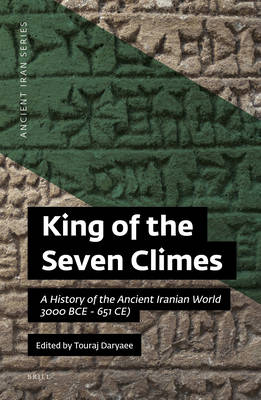
King of the Seven Climes
A History of the Ancient Iranian World (3000 BCE - 651 CE)
€ 141,95
+ 283 punten
Omschrijving
In a Middle Persian text known as Khusro and the Page, one of the most famous kings of the ancient Iranian world, Khusro I Anusheruwan, is called haft kiswar xawadāy ("the King of the Seven Climes"). This title harkens back to at least the Achaemenid period when it was in fact used, and even further back to a Zoroastrian/Avestan world view. From the earliest Iranian hymns, those of the Gāthās of Zarathushtra, through the Younger Avesta and later Pahlavi writings, it is known that the ancient Iranians divided the world into seven climes or regions. Indeed, at some point there was even an aspiration that this world should be ruled by a single king. Consequently, the title of the King of the Seven Climes, used by Khusro I in the sixth century CE, suggests the most ambitious imperial vision that one would find in the literary tradition of the ancient Iranian world. Taking this as a point of departure, the present book aims to be a survey of the dynasties and rulers who thought of going beyond their own surroundings to forge larger polities within the Iranian realm.
This volume was previously published by the Jordan Center for Persian Studies, University of California - Irvine.
This volume was previously published by the Jordan Center for Persian Studies, University of California - Irvine.
Specificaties
Betrokkenen
- Uitgeverij:
Inhoud
- Aantal bladzijden:
- 230
- Taal:
- Engels
- Reeks:
- Reeksnummer:
- nr. 4
Eigenschappen
- Productcode (EAN):
- 9780692864401
- Verschijningsdatum:
- 11/02/2021
- Uitvoering:
- Hardcover
- Formaat:
- Genaaid
- Afmetingen:
- 216 mm x 279 mm
- Gewicht:
- 1029 g

Alleen bij Standaard Boekhandel
+ 283 punten op je klantenkaart van Standaard Boekhandel
CADEAU

AANGERADEN


Beoordelingen
We publiceren alleen reviews die voldoen aan de voorwaarden voor reviews. Bekijk onze voorwaarden voor reviews.