


- Afhalen na 1 uur in een winkel met voorraad
- Gratis thuislevering in België vanaf € 30
- Ruim aanbod met 7 miljoen producten
- Afhalen na 1 uur in een winkel met voorraad
- Gratis thuislevering in België vanaf € 30
- Ruim aanbod met 7 miljoen producten





€ 58,45
+ 116 punten
Omschrijving
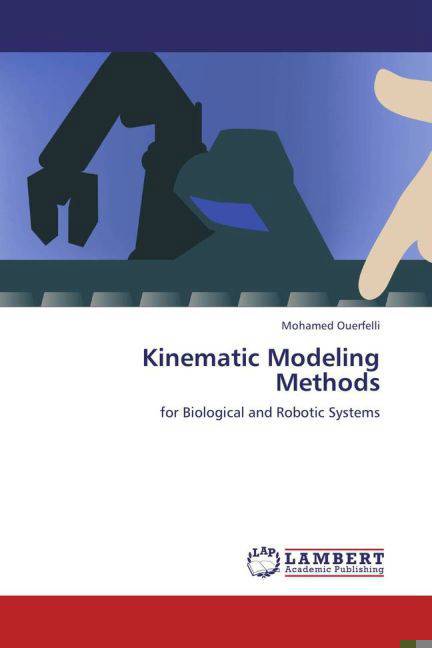
This book presents methods that automatically generate kinematic models for biological and robotic systems. The motivation comes from studying individuals with quadriplegia and the need to design aids such as robots and teletheses that can be controlled by head and neck movements. It is then necessary to develop mathematical models that capture the essence of the possible movements. Two methods for identification of the kinematics are developed and tested. The first method requires the elimination of the displacement variables that cannot be measured while the second method attempts to estimate the changes in these variables. Potential uses of the generated models in the design of aiding tools is also addressed.
Specificaties
Betrokkenen
- Auteur(s):
- Uitgeverij:
Inhoud
- Aantal bladzijden:
- 156
- Taal:
- Engels
Eigenschappen
- Productcode (EAN):
- 9783659175701
- Uitvoering:
- Paperback
- Afmetingen:
- 150 mm x 220 mm


Alleen bij Standaard Boekhandel
+ 116 punten op je klantenkaart van Standaard Boekhandel

Beoordelingen
We publiceren alleen reviews die voldoen aan de voorwaarden voor reviews. Bekijk onze voorwaarden voor reviews.