


- Afhalen na 1 uur in een winkel met voorraad
- Gratis thuislevering in België vanaf € 30
- Ruim aanbod met 7 miljoen producten
- Afhalen na 1 uur in een winkel met voorraad
- Gratis thuislevering in België vanaf € 30
- Ruim aanbod met 7 miljoen producten





Omschrijving
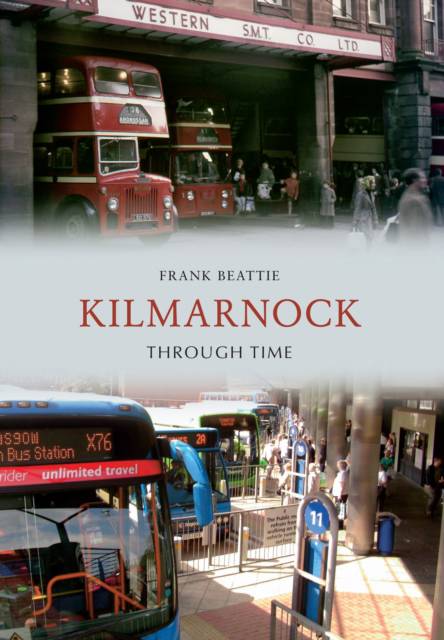
For centuries Kilmarnock was little more than a large village, a market town for a large rural area. It was an area rich in resources and the enterprising people of the town made the best of what they had. Stone for building was quarried locally as was coal and ironstone. Coal mining led to engineering works and those engineers established businesses like Barclays, which went on to sell locomotives all over the world, and Glenfield & Kennedy, which exported hydraulic products.Cottage craft woollen industries evolved into carpet making and BMK carpets; leather crafts and shoe making led to the formation of Saxone. Whisky became important with one firm eventually dominating world sales. Johnnie Walker was founded in Kilmarnock in 1820, but was spirited away in 2012. Kilmarnock Through Time takes an affectionate and nostalgic look at the people and events which have made the town what it is today.
Specificaties
Betrokkenen
- Auteur(s):
- Uitgeverij:
Inhoud
- Aantal bladzijden:
- 96
- Taal:
- Engels
- Reeks:
Eigenschappen
- Productcode (EAN):
- 9781848684102
- Verschijningsdatum:
- 15/04/2012
- Uitvoering:
- Paperback
- Formaat:
- Trade paperback (VS)
- Afmetingen:
- 165 mm x 234 mm
- Gewicht:
- 299 g



Alleen bij Standaard Boekhandel
+ 44 punten op je klantenkaart van Standaard Boekhandel
AANGERADEN


Beoordelingen
We publiceren alleen reviews die voldoen aan de voorwaarden voor reviews. Bekijk onze voorwaarden voor reviews.