


- Afhalen na 1 uur in een winkel met voorraad
- Gratis thuislevering in België vanaf € 30
- Ruim aanbod met 7 miljoen producten
- Afhalen na 1 uur in een winkel met voorraad
- Gratis thuislevering in België vanaf € 30
- Ruim aanbod met 7 miljoen producten





Omschrijving
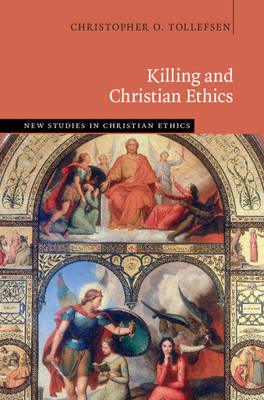
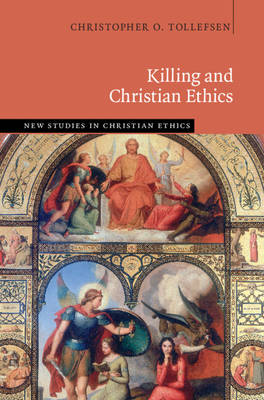
Everyone recognizes that it is, in general, wrong to intentionally kill a human being. But are there exceptions to that rule? In Killing and Christian Ethics, Christopher Tollefsen argues that there are no exceptions: the rule is absolute. The absolute view on killing that he defends has important implications for bioethical issues at the beginning and end of life, such as abortion and euthanasia. It has equally important implications for the morality of capital punishment and the morality of killing in war. Tollefsen argues that a lethal act is morally permissible only when it is an unintended side effect of one's action. In this way, some lethal acts of force, such as personal self-defense, or defense of a polity in a defensive war, may be justified -- but only if they involve no intension of causing death. Even God, Tollefsen argues, neither intends death, nor commands the intentional taking of life.
Specificaties
Betrokkenen
- Auteur(s):
- Uitgeverij:
Inhoud
- Aantal bladzijden:
- 243
- Taal:
- Engels
- Reeks:
Eigenschappen
- Productcode (EAN):
- 9781009714341
- Verschijningsdatum:
- 14/05/2026
- Uitvoering:
- Hardcover
- Formaat:
- Genaaid
- Afmetingen:
- 152 mm x 229 mm
- Gewicht:
- 498 g


Alleen bij Standaard Boekhandel
+ 374 punten op je klantenkaart van Standaard Boekhandel
Cadeau

AANGERADEN


Beoordelingen
We publiceren alleen reviews die voldoen aan de voorwaarden voor reviews. Bekijk onze voorwaarden voor reviews.