


- Afhalen na 1 uur in een winkel met voorraad
- Gratis thuislevering in België vanaf € 30
- Ruim aanbod met 7 miljoen producten
- Afhalen na 1 uur in een winkel met voorraad
- Gratis thuislevering in België vanaf € 30
- Ruim aanbod met 7 miljoen producten





Omschrijving
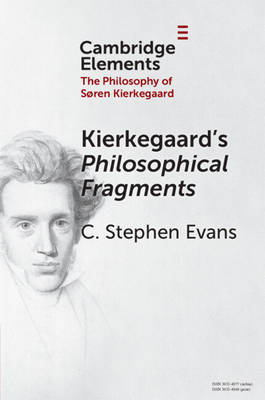
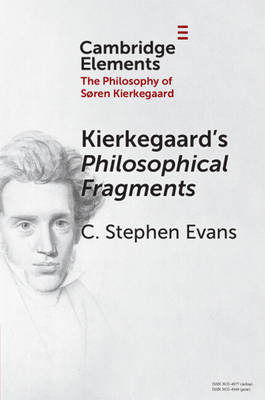
This Element is a critical analysis of Kierkegaard's Philosophical Fragments, attributed to the pseudonymous author Johannes Climacus. The philosophical content of Kierkegaard's work is developed in the form of an ironical, humorous jest in which Climacus pretends to invent a philosophical view that he claims cannot be humanly invented, and which bears a strong resemblance to Christian faith. The invention is proposed as an alternative to "the Socratic view" of the Truth that, if possessed, leads to eternal life. The crucial underlying issue is whether eternal life could be linked to history. This Element explores the purpose of this literary form, and its relation to the philosophical content, highlighting the importance of Fragments for philosophy of religion, theology, and even the contemporary relation of religion to politics and culture, and arguing that Kierkegaard's view is not a form of irrational fideism.
Specificaties
Betrokkenen
- Auteur(s):
- Uitgeverij:
Inhoud
- Aantal bladzijden:
- 88
- Taal:
- Engels
- Reeks:
Eigenschappen
- Productcode (EAN):
- 9781009550772
- Verschijningsdatum:
- 23/04/2026
- Uitvoering:
- Paperback
- Formaat:
- Trade paperback (VS)
- Afmetingen:
- 152 mm x 229 mm
- Gewicht:
- 127 g


Alleen bij Standaard Boekhandel
+ 48 punten op je klantenkaart van Standaard Boekhandel
Cadeau

AANGERADEN


Beoordelingen
We publiceren alleen reviews die voldoen aan de voorwaarden voor reviews. Bekijk onze voorwaarden voor reviews.