



Je cadeautjes zeker op tijd in huis hebben voor de feestdagen? Kom langs in onze winkels en vind het perfecte geschenk!
- Afhalen na 1 uur in een winkel met voorraad
- Gratis thuislevering in België vanaf € 30
- Ruim aanbod met 7 miljoen producten
Je cadeautjes zeker op tijd in huis hebben voor de feestdagen? Kom langs in onze winkels en vind het perfecte geschenk!
- Afhalen na 1 uur in een winkel met voorraad
- Gratis thuislevering in België vanaf € 30
- Ruim aanbod met 7 miljoen producten





€ 123,95
+ 247 punten
Omschrijving
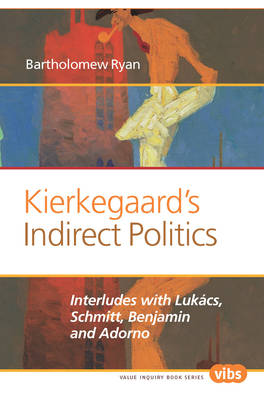
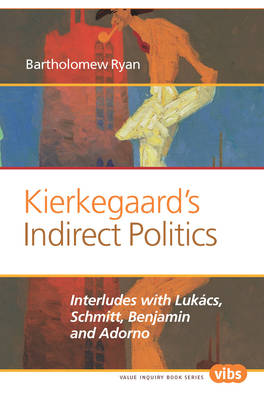
This book argues that a radical political gesture can be found in Søren Kierkegaard's writings. The chapters navigate an interdisciplinary landscape by placing Kierkegaard's passionate thought in conversation with the writings of Georg Lukács, Carl Schmitt, Walter Benjamin and Theodor Adorno. At the heart of the book's argument is the concept of "indirect politics," which names a negative space between methods, concepts, and intellectual acts in the work of Kierkegaard, as well as marking the dynamic relations between Kierkegaard and the aforementioned thinkers. Kierkegaard's indirect politics is a set of masks that displaces identities from one field to the next: theology masks politics; law masks theology; political theory masks philosophy; and psychology masks literary approaches to truth. As reflected in Lukács, Schmitt, Benjamin, and Adorno, this book examines how Kierkegaard's indirect politics sets into relief three significant motifs: intellectual non-conformism, indirect communication in and through ambiguous identities, and negative dialectics.
Specificaties
Betrokkenen
- Auteur(s):
- Uitgeverij:
Inhoud
- Aantal bladzijden:
- 308
- Taal:
- Engels
- Reeks:
- Reeksnummer:
- nr. 269
Eigenschappen
- Productcode (EAN):
- 9789042038134
- Verschijningsdatum:
- 1/01/2014
- Uitvoering:
- Paperback
- Formaat:
- Trade paperback (VS)
- Afmetingen:
- 152 mm x 229 mm
- Gewicht:
- 417 g


Alleen bij Standaard Boekhandel
+ 247 punten op je klantenkaart van Standaard Boekhandel
CADEAU


Beoordelingen
We publiceren alleen reviews die voldoen aan de voorwaarden voor reviews. Bekijk onze voorwaarden voor reviews.