


- Afhalen na 1 uur in een winkel met voorraad
- Gratis thuislevering in België vanaf € 30
- Ruim aanbod met 7 miljoen producten
- Afhalen na 1 uur in een winkel met voorraad
- Gratis thuislevering in België vanaf € 30
- Ruim aanbod met 7 miljoen producten





Omschrijving
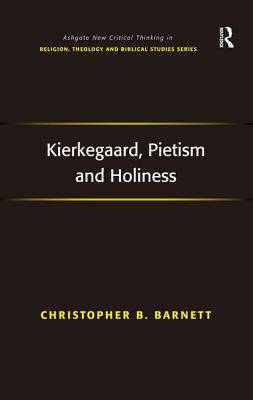
SÃ, ren Kierkegaard wrote that Pietism is 'the one and only consequence of Christianity', yet his relation to Pietism has been largely neglected in the secondary literature. Kierkegaard, Pietism and Holiness fills this scholarly gap and, in doing so, provides the first full-length study of Kierkegaard's relation to the Pietist movement. First accounting for Pietism's role in Kierkegaard's social, ecclesial, and intellectual background, Barnett goes on to demonstrate Pietism's impact on Kierkegaard's published authorship, principally regarding the relationship between Christian holiness and secular culture.
Specificaties
Betrokkenen
- Auteur(s):
- Uitgeverij:
Inhoud
- Aantal bladzijden:
- 242
- Taal:
- Engels
- Reeks:
Eigenschappen
- Productcode (EAN):
- 9781409411567
- Verschijningsdatum:
- 28/01/2011
- Uitvoering:
- Hardcover
- Formaat:
- Genaaid
- Afmetingen:
- 156 mm x 234 mm
- Gewicht:
- 517 g


Alleen bij Standaard Boekhandel
+ 686 punten op je klantenkaart van Standaard Boekhandel
Cadeau

AANGERADEN


Beoordelingen
We publiceren alleen reviews die voldoen aan de voorwaarden voor reviews. Bekijk onze voorwaarden voor reviews.