



Bedankt voor het vertrouwen het afgelopen jaar! Om jou te bedanken bieden we GRATIS verzending (in België) aan op alles gedurende de hele maand januari.
- Afhalen na 1 uur in een winkel met voorraad
- In januari gratis thuislevering in België
- Ruim aanbod met 7 miljoen producten
Bedankt voor het vertrouwen het afgelopen jaar! Om jou te bedanken bieden we GRATIS verzending (in België) aan op alles gedurende de hele maand januari.
- Afhalen na 1 uur in een winkel met voorraad
- In januari gratis thuislevering in België
- Ruim aanbod met 7 miljoen producten





Omschrijving
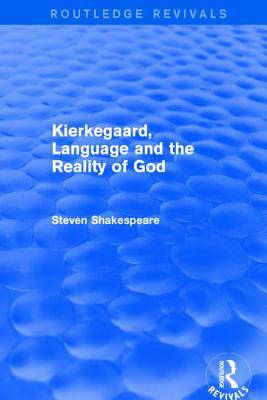
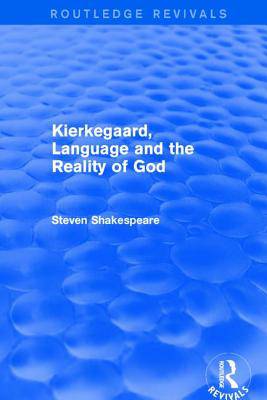
This title was first published in 2001: Debate about the reality of God risks becoming an arid stalemate. An unbridgeable gulf seems to be fixed between realists, arguing that God exists independently of our language and beliefs, and anti-realists for whom God-language functions to express human spiritual ideals, with no reference to a reality external to the faith of the believer. Soren Kierkegaard has been enlisted as an ally by both sides of this debate. Kierkegaard, Language and the Reality of God presents a new approach, exploring the dynamic nature of Kierkegaard's texts and the way they undermine neat divisions between realism and anti-realism, objectivity and subjectivity. Showing that Kierkegaard's understanding of language is crucial to his practice of communication, and his account of the paradoxes inherent in religious discourse, Shakespeare argues that Kierkegaard advances a form of 'ethical realism' in which the otherness of God is met in the making of liberating signs. Not only are new perspectives opened on Kierkegaard's texts, but his own contribution to ongoing debates is affirmed in its vital, creative and challenging significance.
Specificaties
Betrokkenen
- Auteur(s):
- Uitgeverij:
Inhoud
- Aantal bladzijden:
- 262
- Taal:
- Engels
- Reeks:
Eigenschappen
- Productcode (EAN):
- 9781138634336
- Verschijningsdatum:
- 28/06/2017
- Uitvoering:
- Hardcover
- Formaat:
- Genaaid
- Afmetingen:
- 156 mm x 234 mm
- Gewicht:
- 544 g


Alleen bij Standaard Boekhandel
+ 457 punten op je klantenkaart van Standaard Boekhandel
SOLDEN


Beoordelingen
We publiceren alleen reviews die voldoen aan de voorwaarden voor reviews. Bekijk onze voorwaarden voor reviews.