


- Afhalen na 1 uur in een winkel met voorraad
- Gratis thuislevering in België vanaf € 30
- Ruim aanbod met 7 miljoen producten
- Afhalen na 1 uur in een winkel met voorraad
- Gratis thuislevering in België vanaf € 30
- Ruim aanbod met 7 miljoen producten





€ 39,42
Omschrijving
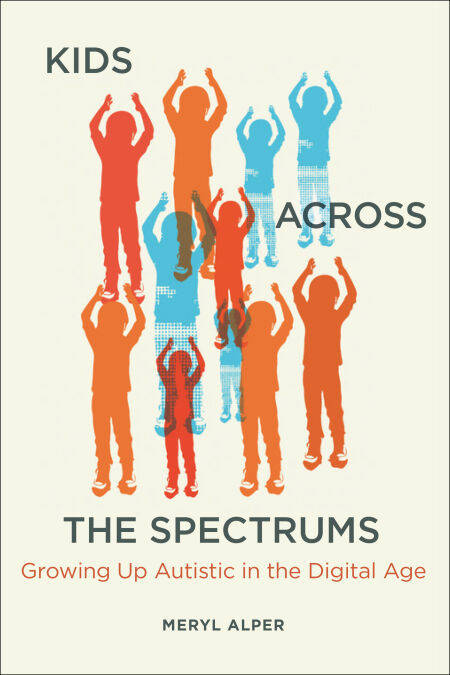
An ethnographic study of diverse children on the autism spectrum and the role of media and technology in their everyday lives.
In spite of widespread assumptions that young people on the autism spectrum have a “natural” attraction to technology—a premise that leads to significant speculation about how media helps or harms them—relatively little research actually exists about their everyday tech use. In Kids Across the Spectrums, Meryl Alper fills this gap with the first book-length ethnography of the digital lives of autistic young people. Based on research with more than sixty neurodivergent children from an array of racial, ethnic, and socioeconomic backgrounds, Kids Across the Spectrums delves into three overlapping areas of their media usage: cultural belonging, social relationships, and physical embodiment.
Alper’s work demonstrates that what autistic youth do with technology is not radically different from their non-autistic peers. However, significant social and health inequalities—including limited recreational programs, unsafe neighborhoods, and challenges obtaining appropriate therapeutic services—spill over into their media habits. With an emphasis on what autistic children bring to media as opposed to what they supposedly lack socially, Alper argues that their relationships do not exist outside of how communication technologies affect sociality, nor beyond the boundaries of stigmatization and society writ large. Finally, she offers practical suggestions for the education, healthcare, and technology sectors to promote equity, inclusion, access, and justice for autistic kids at home, at school, and in their communities.
In spite of widespread assumptions that young people on the autism spectrum have a “natural” attraction to technology—a premise that leads to significant speculation about how media helps or harms them—relatively little research actually exists about their everyday tech use. In Kids Across the Spectrums, Meryl Alper fills this gap with the first book-length ethnography of the digital lives of autistic young people. Based on research with more than sixty neurodivergent children from an array of racial, ethnic, and socioeconomic backgrounds, Kids Across the Spectrums delves into three overlapping areas of their media usage: cultural belonging, social relationships, and physical embodiment.
Alper’s work demonstrates that what autistic youth do with technology is not radically different from their non-autistic peers. However, significant social and health inequalities—including limited recreational programs, unsafe neighborhoods, and challenges obtaining appropriate therapeutic services—spill over into their media habits. With an emphasis on what autistic children bring to media as opposed to what they supposedly lack socially, Alper argues that their relationships do not exist outside of how communication technologies affect sociality, nor beyond the boundaries of stigmatization and society writ large. Finally, she offers practical suggestions for the education, healthcare, and technology sectors to promote equity, inclusion, access, and justice for autistic kids at home, at school, and in their communities.
Specificaties
Betrokkenen
- Auteur(s):
- Uitgeverij:
Inhoud
- Aantal bladzijden:
- 324
- Taal:
- Engels
Eigenschappen
- Productcode (EAN):
- 9780262373999
- Verschijningsdatum:
- 14/08/2023
- Uitvoering:
- E-book
- Beveiligd met:
- Adobe DRM
- Formaat:
- ePub


Alleen bij Standaard Boekhandel
AANGERADEN


Beoordelingen
We publiceren alleen reviews die voldoen aan de voorwaarden voor reviews. Bekijk onze voorwaarden voor reviews.