


- Afhalen na 1 uur in een winkel met voorraad
- Gratis thuislevering in België vanaf € 30
- Ruim aanbod met 7 miljoen producten
- Afhalen na 1 uur in een winkel met voorraad
- Gratis thuislevering in België vanaf € 30
- Ruim aanbod met 7 miljoen producten





€ 43,45
+ 86 punten
Omschrijving
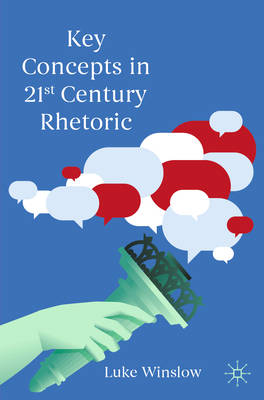
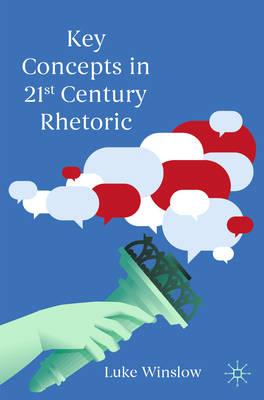
This textbook provides an accessible and student-friendly introduction to rhetoric and rhetorical criticism. The volume grounds the key concepts in rhetorical studies in case studies from American political life in the 20th and 21st centuries, such as Martin Luther King, Jr.'s "Letter From A Birmingham Jail" and the "Birds Aren't Real" satirical social movement. Each chapter traces the genealogy of one key concept within the discipline, details how the key concept can help justify a rhetoric student's specific site of inquiry, and discusses how the key concept can be used to analyze the invention and reception of our most important public arguments. Each chapter concludes by discussing the ethical considerations highlighted by applying the key concept to the rhetorical dimensions of our student's daily lives. The book includes pedagogical features such as learning objectives, glossary terms, and discussion questions.
Specificaties
Betrokkenen
- Auteur(s):
- Uitgeverij:
Inhoud
- Aantal bladzijden:
- 303
- Taal:
- Engels
Eigenschappen
- Productcode (EAN):
- 9783032055651
- Verschijningsdatum:
- 21/04/2026
- Uitvoering:
- Paperback
- Formaat:
- Trade paperback (VS)
- Afmetingen:
- 155 mm x 235 mm
- Gewicht:
- 499 g


Alleen bij Standaard Boekhandel
+ 86 punten op je klantenkaart van Standaard Boekhandel
Cadeau

AANGERADEN


Beoordelingen
We publiceren alleen reviews die voldoen aan de voorwaarden voor reviews. Bekijk onze voorwaarden voor reviews.