


- Afhalen na 1 uur in een winkel met voorraad
- Gratis thuislevering in België vanaf € 30
- Ruim aanbod met 7 miljoen producten
- Afhalen na 1 uur in een winkel met voorraad
- Gratis thuislevering in België vanaf € 30
- Ruim aanbod met 7 miljoen producten





€ 161,45
+ 322 punten
Omschrijving
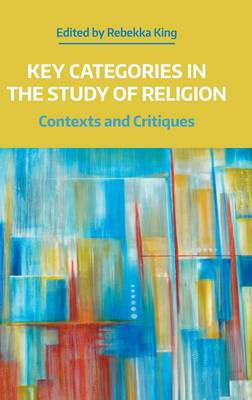
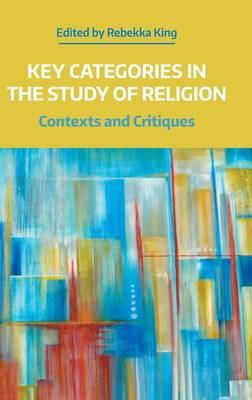
Key Categories in the Study of Religion builds upon the groundwork laid by previous NAASR Working Papers titles in order to bring us full circle to the symbiotic relationship between context and critique. This volume assembles diverse sets of data to consider pertinent categories in which critique occurs. By looking at intentionally disparate case studies, the volume centers on four key contextual categories which stand at the heart of the academic study of religion: Citizenship and Politics, Class and Economy, Gender and Sexuality, and Race and Ethnicity. The contributors to this volume explore questions concerning how scholars construct such categories and/or critique scholars who do? Who decides how to approach the critical study of these topics? What impact does the context of a scholar's research have on the means and method of a given critique? Using these enquiries as a starting point, Key Categories in the Study of Religion investigates the ways that method, theory, and data are mobilized via context as the primary impetus for critical analysis. Each section begins with an orienting essay that explores its category. These introductory chapters include: i) an analysis of the construction of categories in academic literature; ii) an argument either advocating or critiquing scholarship carried out in that vein; and iii) an exploration of its implications for the study of religion. Each chapter is followed by four responses authored by scholars intentionally selected to highlight diverse contexts: subjects, fields, and methods. They extend the orienting essay's conclusions by offering novel analysis vis-a-vis their own scholarly expertise and subject matter. These chapters underscore instances of both congruence and difference to further refine our understanding of possible forms of critique relevant to each category.
Specificaties
Betrokkenen
- Uitgeverij:
Inhoud
- Aantal bladzijden:
- 256
- Taal:
- Engels
- Reeks:
Eigenschappen
- Productcode (EAN):
- 9781781799659
- Verschijningsdatum:
- 1/05/2022
- Uitvoering:
- Hardcover
- Formaat:
- Genaaid
- Afmetingen:
- 156 mm x 234 mm
- Gewicht:
- 521 g

Alleen bij Standaard Boekhandel
+ 322 punten op je klantenkaart van Standaard Boekhandel
Cadeau

AANGERADEN


Beoordelingen
We publiceren alleen reviews die voldoen aan de voorwaarden voor reviews. Bekijk onze voorwaarden voor reviews.