


- Afhalen na 1 uur in een winkel met voorraad
- Gratis thuislevering in België vanaf € 30
- Ruim aanbod met 7 miljoen producten
- Afhalen na 1 uur in een winkel met voorraad
- Gratis thuislevering in België vanaf € 30
- Ruim aanbod met 7 miljoen producten





€ 322,45
+ 644 punten
Uitvoering
Omschrijving
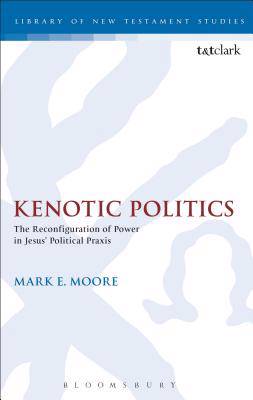
How can one reconcile the political nature of Jesus with his disinclination to power? Moore's argument comes in three stages. Part one answers the question 'Was Jesus Political?' by examining Jesus' words and actions that have political import. Part two addresses the issue 'How was Jesus Political?' It concentrates on Mark 10:32-45 as a real articulation of Jesus' political praxis that is consistent throughout Jesus' ministry and teaching. Part three, 'Why did Jesus not openly announce his political role?' examines Jesus' treatment of the Jewish kings of the past, particularly why Jesus, 'meek and mild, ' could claim to surpass them in honor.
It is argued that Jesus' disinclination to associate himself with other rulers is not a rejection of a political role. Rather, he lived so consistently with his political praxis of self-abnegation that these other rulers were not appropriate models for Jesus to follow. Furthermore, the very claim to such titles was antithetical to his political praxis which relinquished all aggrandizement to God, who alone could exalt, abase, judge, and rule.Specificaties
Betrokkenen
- Auteur(s):
- Uitgeverij:
Inhoud
- Aantal bladzijden:
- 224
- Taal:
- Engels
- Reeks:
Eigenschappen
- Productcode (EAN):
- 9780567539229
- Verschijningsdatum:
- 5/09/2013
- Uitvoering:
- Hardcover
- Formaat:
- Genaaid
- Afmetingen:
- 152 mm x 236 mm
- Gewicht:
- 476 g


Alleen bij Standaard Boekhandel
+ 644 punten op je klantenkaart van Standaard Boekhandel
Cadeau

AANGERADEN


Beoordelingen
We publiceren alleen reviews die voldoen aan de voorwaarden voor reviews. Bekijk onze voorwaarden voor reviews.