


- Afhalen na 1 uur in een winkel met voorraad
- Gratis thuislevering in België vanaf € 30
- Ruim aanbod met 7 miljoen producten
- Afhalen na 1 uur in een winkel met voorraad
- Gratis thuislevering in België vanaf € 30
- Ruim aanbod met 7 miljoen producten





€ 47,45
+ 94 punten
Eenvoudig bestellen
Veilig betalen


Gratis thuislevering vanaf € 30 (via bpost)
Gratis levering in je Standaard Boekhandel
Omschrijving
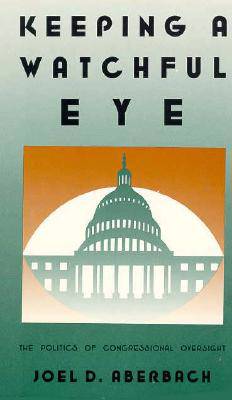
Congressional oversight activity has increased dramatically since the early 1970s. Congressional committees now spend more of their time holding hearings to review the activities of federal agencies, and committee staff members are busy collecting information about what goes on during program implementation. This book examines the reasons behind the surprising growth of congressional oversight. Using original data collected for this project, Joel D. Aberbach documents the increase in oversight activity and links it to changes in the political environment. He explores the political purposes served by oversight, the techniques Congress uses to uncover information about the activities of the federal bureaucracy, and the reasons why topics get on the oversight agenda. He concludes that even though the U.S. government system was not designed with a large administrative sector in mind, its ability to expose bureaucratic behavior to public scrutiny is impressive, and the Congress plays a vital role in this endeavor.
Specificaties
Betrokkenen
- Auteur(s):
- Uitgeverij:
Inhoud
- Aantal bladzijden:
- 306
- Taal:
- Engels
Eigenschappen
- Productcode (EAN):
- 9780815700593
- Verschijningsdatum:
- 1/01/1991
- Uitvoering:
- Paperback
- Formaat:
- Trade paperback (VS)
- Afmetingen:
- 154 mm x 229 mm
- Gewicht:
- 412 g


Alleen bij Standaard Boekhandel
+ 94 punten op je klantenkaart van Standaard Boekhandel
CADEAU

AANGERADEN


Beoordelingen
We publiceren alleen reviews die voldoen aan de voorwaarden voor reviews. Bekijk onze voorwaarden voor reviews.