


- Afhalen na 1 uur in een winkel met voorraad
- Gratis thuislevering in België vanaf € 30
- Ruim aanbod met 7 miljoen producten
- Afhalen na 1 uur in een winkel met voorraad
- Gratis thuislevering in België vanaf € 30
- Ruim aanbod met 7 miljoen producten





€ 47,45
+ 94 punten
Omschrijving
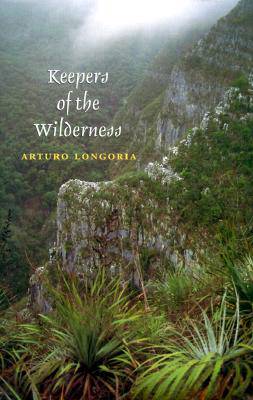
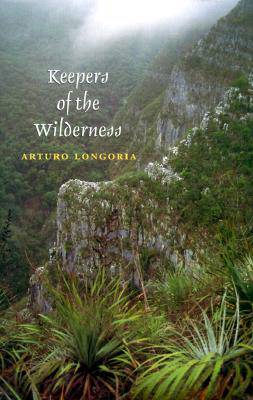
"When I first visited Mexico's transition zones . . . I discovered that the journey itself became a metaphor for humankind's quest to discover and develop and, in the process, destroy. . . . I realized, too, that the quality of life cannot be measured simply as the quantity of our possessions." Arturo Longoria grew up in South Texas, roaming the Brushlands and learning the names of the plants, animals, and even insects that thrived in that harsh environment. He spent much time in northern Mexico, too, where his father owned ranch land. One of the places he found in southern Tamaulipas captured his imagination and his heart in a special way. Now, as an adult on a quest to help people (including himself) reconnect with the land, he has returned to the river in Tamaulipas and the mountain that dominates it--La Viuda, the Widow. In this beautifully woven story of a pilgrimage to the heart of the wilds on that mountain, Longoria introduces readers to the lush, near-tropical vegetation of one of the remaining unspoiled areas of North America. There, too, among the few people who dwell in this rugged land, he discovers a sensibility toward nature in many ways more profound than ours. Although Longoria's journey to the mountain was a personal one, it also became involved with his life work of environmental advocacy. Upon his return to Texas, Longoria began efforts to have the land made part of a small nature refuge in the Mexican state of Tamaulipas. Environmental advocates, naturalists, and those pursuing a greater understanding of human behavior toward the land will appreciate Longoria's coverage of controversial issues and ethics in this tribute to a rare, unspoiled place of beauty.
Specificaties
Betrokkenen
- Auteur(s):
- Uitgeverij:
Inhoud
- Aantal bladzijden:
- 128
- Taal:
- Engels
- Reeks:
- Reeksnummer:
- nr. 15
Eigenschappen
- Productcode (EAN):
- 9780890969298
- Verschijningsdatum:
- 1/03/2000
- Uitvoering:
- Hardcover
- Formaat:
- Genaaid
- Afmetingen:
- 158 mm x 241 mm
- Gewicht:
- 376 g


Alleen bij Standaard Boekhandel
+ 94 punten op je klantenkaart van Standaard Boekhandel
Cadeau

AANGERADEN


Beoordelingen
We publiceren alleen reviews die voldoen aan de voorwaarden voor reviews. Bekijk onze voorwaarden voor reviews.