


- Afhalen na 1 uur in een winkel met voorraad
- Gratis thuislevering in België vanaf € 30
- Ruim aanbod met 7 miljoen producten
- Afhalen na 1 uur in een winkel met voorraad
- Gratis thuislevering in België vanaf € 30
- Ruim aanbod met 7 miljoen producten





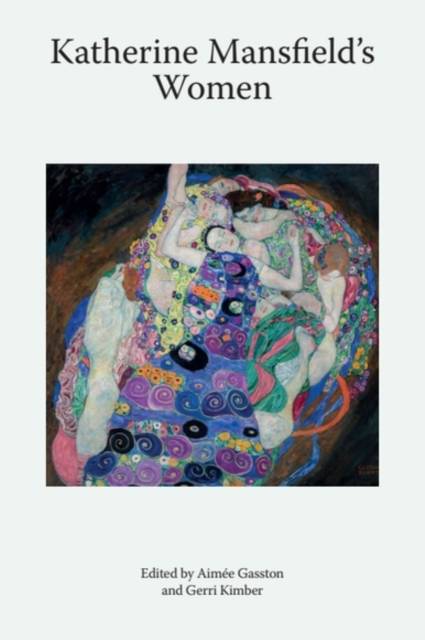
Katherine Mansfield's Women
€ 193,45
+ 386 punten
Omschrijving
Katherine Mansfield's astute eye for power imbalances, including those that are gendered, is apparent across her fiction. Her working life was also fraught with the types of material needs set out by Virginia Woolf in A Room of One's Own, published after Mansfield's death in 1929. Although the young Mansfield decided she 'could not be a suffragette' (in a letter of 17 September 1908 to Garnet Trowell), her work often addresses social injustices with portrayals of characters who are hemmed in by circumstance and reaching toward a sense of personal freedom and authenticity. This volume comprises a number of essays by Mansfield specialists on the theme of 'Katherine Mansfield's Women', in addition to a diverse range of creative writing and a reassessment of J. D. Fergusson's enigmatic portrait of a woman, titled Poise. By looking at the place of women in both her personal writings and fiction, it explores the textual and cultural aspects of Katherine Mansfield and the female experience in all its contexts.
Specificaties
Betrokkenen
- Uitgeverij:
Inhoud
- Aantal bladzijden:
- 248
- Taal:
- Engels
- Reeks:
Eigenschappen
- Productcode (EAN):
- 9781399550871
- Verschijningsdatum:
- 31/08/2025
- Uitvoering:
- Hardcover
- Formaat:
- Genaaid
- Afmetingen:
- 156 mm x 234 mm
- Gewicht:
- 526 g

Alleen bij Standaard Boekhandel
+ 386 punten op je klantenkaart van Standaard Boekhandel
Cadeau

AANGERADEN


Beoordelingen
We publiceren alleen reviews die voldoen aan de voorwaarden voor reviews. Bekijk onze voorwaarden voor reviews.