


- Afhalen na 1 uur in een winkel met voorraad
- Gratis thuislevering in België vanaf € 30
- Ruim aanbod met 7 miljoen producten
- Afhalen na 1 uur in een winkel met voorraad
- Gratis thuislevering in België vanaf € 30
- Ruim aanbod met 7 miljoen producten





€ 124,45
+ 248 punten
Uitvoering
Omschrijving
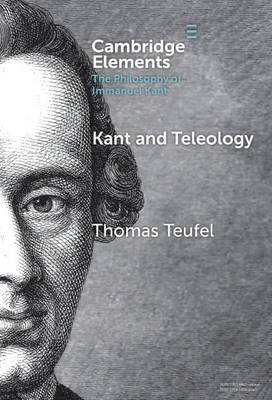
Kant's mature teleological philosophy in the Critique of the Power of Judgment is predicated on innovations that address a set of unprecedented challenges arising from within critical philosophy. The challenges are (1) a threat of "transcendental chaos" between sensibility and understanding, emerging from the structure of critical epistemology; (2) a threat of "critical chaos" between determination and reflection, generated by Kant's response to that first threat. The innovations include (a) a transcendental conception of purposiveness, (b) a principle of nature's purposiveness based on that conception, (c) a power of judgment governed by that principle, (d) and so governed in an unusual (self-given and self-governing) way, (e) a view on which nature does make leaps. This Element argues that Kant's mature teleological philosophy - and a fortiori Kant's aesthetics and philosophy of biology - cannot be understood without a fully systematic account of these challenges and innovations, and it presents such an account.
Specificaties
Betrokkenen
- Auteur(s):
- Uitgeverij:
Inhoud
- Aantal bladzijden:
- 82
- Taal:
- Engels
- Reeks:
Eigenschappen
- Productcode (EAN):
- 9781009662383
- Verschijningsdatum:
- 8/05/2025
- Uitvoering:
- Hardcover
- Formaat:
- Genaaid
- Afmetingen:
- 152 mm x 229 mm
- Gewicht:
- 285 g


Alleen bij Standaard Boekhandel
+ 248 punten op je klantenkaart van Standaard Boekhandel
Cadeau

AANGERADEN


Beoordelingen
We publiceren alleen reviews die voldoen aan de voorwaarden voor reviews. Bekijk onze voorwaarden voor reviews.