



Bedankt voor het vertrouwen het afgelopen jaar! Om jou te bedanken bieden we GRATIS verzending (in België) aan op alles gedurende de hele maand januari.
- Afhalen na 1 uur in een winkel met voorraad
- In januari gratis thuislevering in België
- Ruim aanbod met 7 miljoen producten
Bedankt voor het vertrouwen het afgelopen jaar! Om jou te bedanken bieden we GRATIS verzending (in België) aan op alles gedurende de hele maand januari.
- Afhalen na 1 uur in een winkel met voorraad
- In januari gratis thuislevering in België
- Ruim aanbod met 7 miljoen producten





€ 65,45
+ 130 punten
Omschrijving
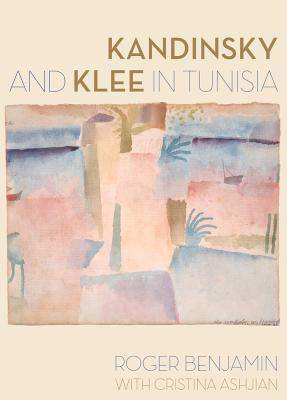
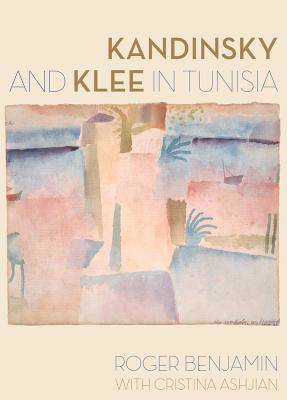
Paul Klee experienced his 1914 trip to Tunisia as a major breakthrough for his art: "Color and I are one," he famously wrote. "I am a painter." Kandinsky and Klee in Tunisia sets the scene for Klee's breakthrough with a close study of the parallel voyage undertaken in 1904-5 by Wassily Kandinsky and Gabriele Münter, who would later become Klee's friends. This artist couple, then at an early stage in their celebrated careers, produced a rich body of painting and photography known only to specialists. Paul Klee's 1914 trip with August Macke and Louis Moilliet, in contrast, is a vaunted convergence of cubism and the exotic. Roger Benjamin refigures these two seminal voyages in terms of colonial culture and politics, the fabric of ancient Tunisian cities, visual ethnography, and the tourist photograph. The book looks closely at the cities of Tunis, Sousse, Hammamet, and Kairouan to flesh out a profound confrontation between European high modernism and the wealth of Islamic lifeways and architecture. Kandinsky and Klee in Tunisia offers a new understanding of how the European avant-garde was formed in dialogue with cultural difference.
Specificaties
Betrokkenen
- Auteur(s):
- Uitgeverij:
Inhoud
- Aantal bladzijden:
- 248
- Taal:
- Engels
Eigenschappen
- Productcode (EAN):
- 9780520283657
- Verschijningsdatum:
- 18/08/2015
- Uitvoering:
- Hardcover
- Formaat:
- Genaaid
- Afmetingen:
- 186 mm x 264 mm
- Gewicht:
- 820 g


Alleen bij Standaard Boekhandel
+ 130 punten op je klantenkaart van Standaard Boekhandel
SOLDEN


Beoordelingen
We publiceren alleen reviews die voldoen aan de voorwaarden voor reviews. Bekijk onze voorwaarden voor reviews.