


- Afhalen na 1 uur in een winkel met voorraad
- Gratis thuislevering in België vanaf € 30
- Ruim aanbod met 7 miljoen producten
- Afhalen na 1 uur in een winkel met voorraad
- Gratis thuislevering in België vanaf € 30
- Ruim aanbod met 7 miljoen producten





€ 9,99
+ 9 punten
Omschrijving
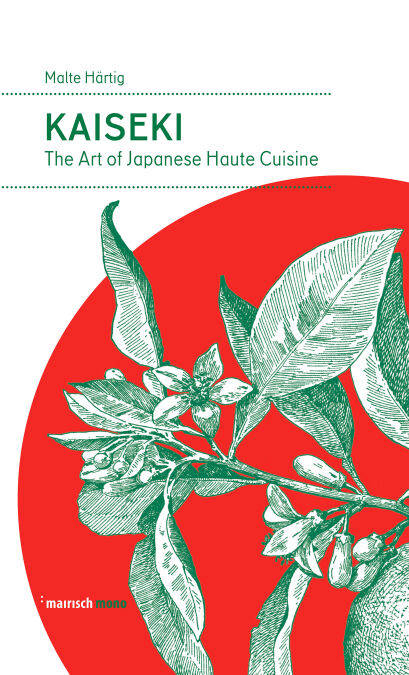
Simplicity, mindfulness, tranquility, attention to detail — all these elements of Japanese philosophy are nor only reflected in the famous tea ceremony but also in kaiseki cuisine.
Why do the pretty Japanese wagashi sweets taste like dusty sugar, why do the tea bowls have dents, why does the soup taste like nothing? Malte Härtig, chef and philosopher, is puzzled when he tries Japan's famous haute cuisine kaiseki for the first time. Neither his Western philosophical approach nor his European culinary training can help him decipher kaiseki. But then he finds a way in through Zen Buddhism and the famous tea ceremony. And with them, he encounters fundamental wisdom and a refreshing attitude, not only towards food, but also towards life.
Malte Härtig takes us on his journey and guides us through a complete kaiseki menu and the experiences he had with it. It begins with the tea itself, continues with the host's preparations, the guest's knowledge, and the making of the tea bowl, and ends with the various dishes. You learn interesting facts and stories about all the elements that have accumulated over thousands of years of tradition: why a fish called hamo plays such an important role, what is special about growing bamboo shoots, and what rice has to do with Japanese identity. And you understand why Japan, the mentality of its inhabitants, and kaiseki cuisine have become so popular in recent years.
Why do the pretty Japanese wagashi sweets taste like dusty sugar, why do the tea bowls have dents, why does the soup taste like nothing? Malte Härtig, chef and philosopher, is puzzled when he tries Japan's famous haute cuisine kaiseki for the first time. Neither his Western philosophical approach nor his European culinary training can help him decipher kaiseki. But then he finds a way in through Zen Buddhism and the famous tea ceremony. And with them, he encounters fundamental wisdom and a refreshing attitude, not only towards food, but also towards life.
Malte Härtig takes us on his journey and guides us through a complete kaiseki menu and the experiences he had with it. It begins with the tea itself, continues with the host's preparations, the guest's knowledge, and the making of the tea bowl, and ends with the various dishes. You learn interesting facts and stories about all the elements that have accumulated over thousands of years of tradition: why a fish called hamo plays such an important role, what is special about growing bamboo shoots, and what rice has to do with Japanese identity. And you understand why Japan, the mentality of its inhabitants, and kaiseki cuisine have become so popular in recent years.
Specificaties
Betrokkenen
- Auteur(s):
- Vertaler(s):
- Uitgeverij:
Inhoud
- Aantal bladzijden:
- 100
- Taal:
- Engels
- Reeks:
Eigenschappen
- Productcode (EAN):
- 9783948722586
- Verschijningsdatum:
- 28/01/2026
- Uitvoering:
- E-book
- Beveiligd met:
- Digital watermarking
- Formaat:
- ePub


Alleen bij Standaard Boekhandel
+ 9 punten op je klantenkaart van Standaard Boekhandel
Cadeau

AANGERADEN


Beoordelingen
We publiceren alleen reviews die voldoen aan de voorwaarden voor reviews. Bekijk onze voorwaarden voor reviews.