


- Afhalen na 1 uur in een winkel met voorraad
- Gratis thuislevering in België vanaf € 30
- Ruim aanbod met 7 miljoen producten
- Afhalen na 1 uur in een winkel met voorraad
- Gratis thuislevering in België vanaf € 30
- Ruim aanbod met 7 miljoen producten





€ 31,45
+ 62 punten
Eenvoudig bestellen
Veilig betalen


Gratis thuislevering vanaf € 30 (via bpost)
Gratis levering in je Standaard Boekhandel
Omschrijving
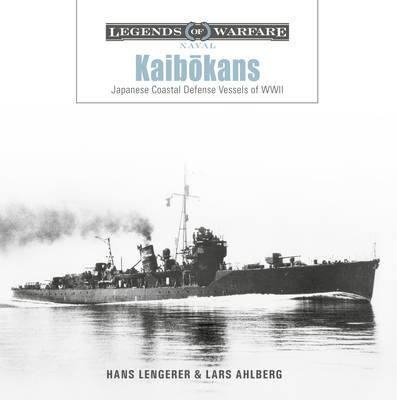
During the Second World War, the Imperial Japanese Navy used the term kaibōkan to refer to several classes of ships. The kaibōkans slotted below Imperial Japanese destroyers, comparable to the British Royal Navy's frigates and corvettes or American destroyer escorts.A total of 171 vessels were completed in the kaibōkan family, making it one of if not the most produced warship design by the Imperial Japanese Navy during the war. These ships were numerous and played a very active role in Pacific naval combat.
This is the illustrated history of the type, including a historical synopsis, full technical description, and more than 100 photographs and diagrams. Naval historians Lars Ahlberg and Hans Lengerer have established themselves as experts on and specialists in the warships of the Imperial Japanese Navy during WWII. Their work is differentiated by being primarily driven by the utilization of Japanese-language primary source material.
This is the illustrated history of the type, including a historical synopsis, full technical description, and more than 100 photographs and diagrams. Naval historians Lars Ahlberg and Hans Lengerer have established themselves as experts on and specialists in the warships of the Imperial Japanese Navy during WWII. Their work is differentiated by being primarily driven by the utilization of Japanese-language primary source material.
Specificaties
Betrokkenen
- Auteur(s):
- Uitgeverij:
Inhoud
- Aantal bladzijden:
- 128
- Taal:
- Engels
- Reeks:
- Reeksnummer:
- nr. 35
Eigenschappen
- Productcode (EAN):
- 9780764371615
- Verschijningsdatum:
- 28/08/2026
- Uitvoering:
- Hardcover
- Formaat:
- Genaaid
- Afmetingen:
- 229 mm x 229 mm
- Gewicht:
- 45 g


Alleen bij Standaard Boekhandel
+ 62 punten op je klantenkaart van Standaard Boekhandel
CADEAU

AANGERADEN


Beoordelingen
We publiceren alleen reviews die voldoen aan de voorwaarden voor reviews. Bekijk onze voorwaarden voor reviews.