


- Afhalen na 1 uur in een winkel met voorraad
- Gratis thuislevering in België vanaf € 30
- Ruim aanbod met 7 miljoen producten
- Afhalen na 1 uur in een winkel met voorraad
- Gratis thuislevering in België vanaf € 30
- Ruim aanbod met 7 miljoen producten





€ 17,99
+ 17 punten
Uitvoering
Eenvoudig bestellen
Veilig betalen


Onmiddellijk geleverd via e-mail
Omschrijving
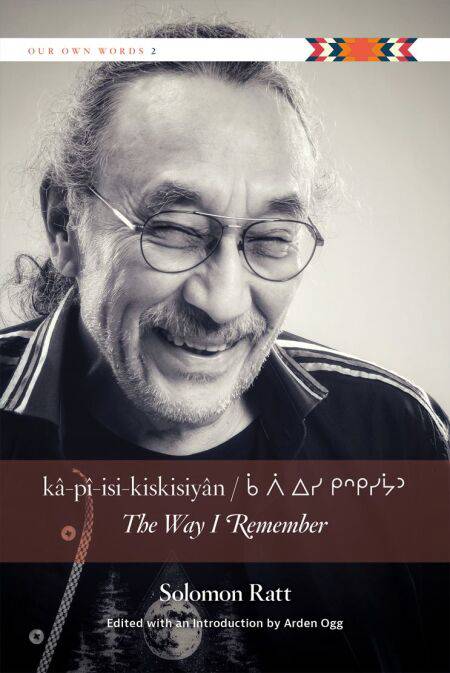
A residential school survivor finds his way back to his language and culture through his family’s traditional stories.
When reflecting on forces that have shaped his life, Solomon Ratt says his education was interrupted by his schooling. Torn from his family at the age of six, Ratt was placed into the residential school system—a harsh, institutional world, operated in a language he could not yet understand, far from the love and comfort of home and family. In kâ-pî-isi-kiskisiyân / The Way I Remember, Ratt reflects on these memories and the life-long challenges he endured through his telling of âcimisowin—autobiographical stories—and also traditional tales.
Written over the course of several decades, Ratt describes his life before, during, and after residential school. In many ways, these stories reflect the experience of thousands of other Indigenous children across Canada, but Ratt’s stories also stand apart in a significant way: he managed to retain his mother language of Cree by returning home to his parents each summer despite the destruction wrought by colonialism.
Ratt then shifts from the âcimisowina (personal, autobiographical stories) to âcathôhkîwina, (sacred stories) the more formal and commonly recognized style of traditional Cree literature, to illustrate how, in a world uninterrupted by colonialism and its agenda of genocide, these traditional stories would have formed the winter curriculum of a Cree child’s education.
Presented in Cree Th-dialect Standard Roman Orthography, syllabics, and English, Ratt’s reminiscences of residential school escapades almost always end with a close call and a smile. Even when his memories are dark, Ratt’s particularly Cree sense of humour shines, making kâ-pî-isi-kiskisiyân /The Way I Remember an important and unique memoir that emphasizes and celebrates Solomon Ratt’s perseverance and life after residential school.
When reflecting on forces that have shaped his life, Solomon Ratt says his education was interrupted by his schooling. Torn from his family at the age of six, Ratt was placed into the residential school system—a harsh, institutional world, operated in a language he could not yet understand, far from the love and comfort of home and family. In kâ-pî-isi-kiskisiyân / The Way I Remember, Ratt reflects on these memories and the life-long challenges he endured through his telling of âcimisowin—autobiographical stories—and also traditional tales.
Written over the course of several decades, Ratt describes his life before, during, and after residential school. In many ways, these stories reflect the experience of thousands of other Indigenous children across Canada, but Ratt’s stories also stand apart in a significant way: he managed to retain his mother language of Cree by returning home to his parents each summer despite the destruction wrought by colonialism.
Ratt then shifts from the âcimisowina (personal, autobiographical stories) to âcathôhkîwina, (sacred stories) the more formal and commonly recognized style of traditional Cree literature, to illustrate how, in a world uninterrupted by colonialism and its agenda of genocide, these traditional stories would have formed the winter curriculum of a Cree child’s education.
Presented in Cree Th-dialect Standard Roman Orthography, syllabics, and English, Ratt’s reminiscences of residential school escapades almost always end with a close call and a smile. Even when his memories are dark, Ratt’s particularly Cree sense of humour shines, making kâ-pî-isi-kiskisiyân /The Way I Remember an important and unique memoir that emphasizes and celebrates Solomon Ratt’s perseverance and life after residential school.
Specificaties
Betrokkenen
- Auteur(s):
- Uitgeverij:
Inhoud
- Aantal bladzijden:
- 264
- Taal:
- Engels
- Reeks:
Eigenschappen
- Productcode (EAN):
- 9780889779174
- Verschijningsdatum:
- 28/01/2023
- Uitvoering:
- E-book
- Beveiligd met:
- Digital watermarking
- Formaat:


Alleen bij Standaard Boekhandel
+ 17 punten op je klantenkaart van Standaard Boekhandel
CADEAU

AANGERADEN


Beoordelingen
We publiceren alleen reviews die voldoen aan de voorwaarden voor reviews. Bekijk onze voorwaarden voor reviews.