



- Afhalen na 1 uur in een winkel met voorraad
- In januari gratis thuislevering in België
- Ruim aanbod met 7 miljoen producten
- Afhalen na 1 uur in een winkel met voorraad
- In januari gratis thuislevering in België
- Ruim aanbod met 7 miljoen producten





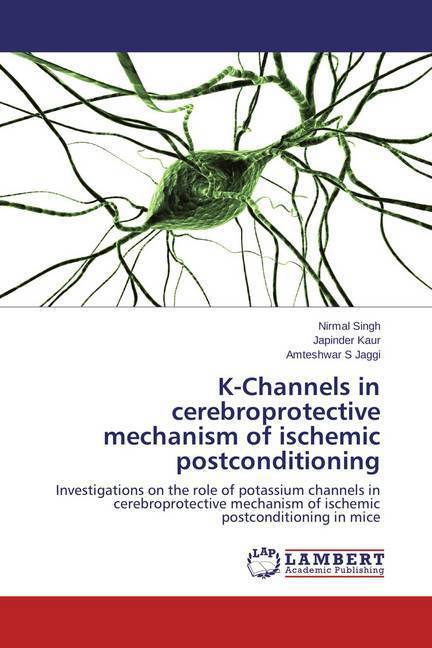
K-Channels in cerebroprotective mechanism of ischemic postconditioning
Investigations on the role of potassium channels in cerebroprotective mechanism of ischemic postconditioning in mice
Nirmal Singh, Japinder Kaur, Amteshwar S Jaggi
Paperback | Engels
€ 55,95
+ 111 punten
Omschrijving
Stroke is the third most common cause of death and has profound negative social and economic effects. The failure, of various clinical trials of exogenously administered drugs as potential stroke therapy has enhanced the ongoing search to identify endogenous mechanisms activated after cerebral ischemia that might be harnessed as neuroprotectants in stroke. Postconditioning (PoCo), is an adaptive technique, whereby brief repetitive cycles of ischemia with intermittent reperfusion immediately following prolonged ischemia elicits tissue protection. Protective role of PoCo has been reported in different organs and animal species. PoCo is recently reported to produce some protective effects in clinical settings and hence it appears to hold great potential at clinical level. However usefulness of PoCo in cerebral ischemia & stroke remains to be explored so there is a need to investigate neuroprotective mechanism of PoCo. Present study investigates the role of K-channels in neuroprotective mechanism of PoCo. Delineating neuroprotective mechanism of PoCo will help in better understanding of its usefulness in ischemic stroke and boost the therapeutic management in a significant manner.
Specificaties
Betrokkenen
- Auteur(s):
- Uitgeverij:
Inhoud
- Aantal bladzijden:
- 100
- Taal:
- Engels
Eigenschappen
- Productcode (EAN):
- 9783659682797
- Verschijningsdatum:
- 5/02/2015
- Uitvoering:
- Paperback
- Afmetingen:
- 150 mm x 220 mm
- Gewicht:
- 159 g


Alleen bij Standaard Boekhandel
+ 111 punten op je klantenkaart van Standaard Boekhandel
Cadeau

AANGERADEN


Beoordelingen
We publiceren alleen reviews die voldoen aan de voorwaarden voor reviews. Bekijk onze voorwaarden voor reviews.