


- Afhalen na 1 uur in een winkel met voorraad
- Gratis thuislevering in België vanaf € 30
- Ruim aanbod met 7 miljoen producten
- Afhalen na 1 uur in een winkel met voorraad
- Gratis thuislevering in België vanaf € 30
- Ruim aanbod met 7 miljoen producten





€ 124,45
+ 248 punten
Uitvoering
Omschrijving
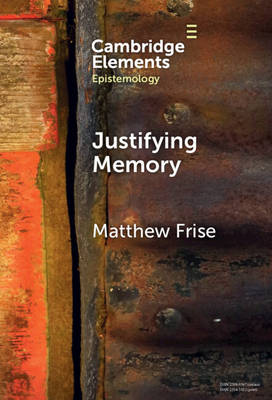
In this book I examine many philosophical theories that attempt to explain the epistemological limits and powers of memory. A traditional view is that our epistemic justification from memory in the present directly depends, in part or primarily, on the past. I reject this view, arguing that just the way the present is directly matters for the justification we have from memory now. Another traditional view is that our justification from memory is best accounted for by theories on which justification directly depends on features of the world external to the mind. I argue that the mental life suffices to account for memory justification. I then appeal to the tip of the tongue phenomenon to argue that just a portion of the mental matters for memory justification: what the subject internally accesses. The best epistemology of memory turns out to support a package of extreme and untraditional views.
Specificaties
Betrokkenen
- Auteur(s):
- Uitgeverij:
Inhoud
- Aantal bladzijden:
- 68
- Taal:
- Engels
- Reeks:
Eigenschappen
- Productcode (EAN):
- 9781009533560
- Verschijningsdatum:
- 21/05/2026
- Uitvoering:
- Hardcover
- Formaat:
- Genaaid
- Afmetingen:
- 152 mm x 229 mm
- Gewicht:
- 263 g


Alleen bij Standaard Boekhandel
+ 248 punten op je klantenkaart van Standaard Boekhandel
Cadeau

AANGERADEN


Beoordelingen
We publiceren alleen reviews die voldoen aan de voorwaarden voor reviews. Bekijk onze voorwaarden voor reviews.