


- Afhalen na 1 uur in een winkel met voorraad
- Gratis thuislevering in België vanaf € 30
- Ruim aanbod met 7 miljoen producten
- Afhalen na 1 uur in een winkel met voorraad
- Gratis thuislevering in België vanaf € 30
- Ruim aanbod met 7 miljoen producten





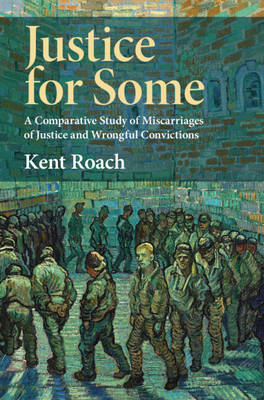
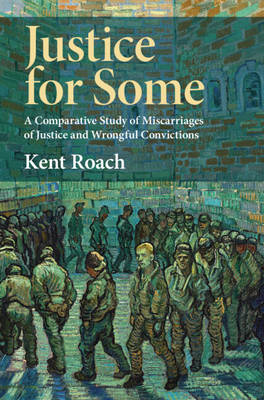
Justice for Some
A Comparative Study of Miscarriages of Justice and Wrongful Convictions
Kent Roach
Hardcover | Engels
€ 230,95
+ 461 punten
Uitvoering
Omschrijving
This book defines the differing concepts of miscarriages of justice, wrongful convictions and innocence in relation to the presumption of innocence and the rationing of justice. It compares inquisitorial systems, with examples from Europe, South America and Asia to adversarial systems. It contrasts England's focus on the miscarriage of justice and the remedial institutions of the Court of Appeal and the Criminal Cases Review Commission, with the United States and China's narrower focus on proven factual innocence It highlights new laws enacted in India in 2023 that increase the risk of wrongful convictions, and details how the International Criminal Court has taken steps to reduce the risk of false guilty pleas that may have been accepted by previous international criminal courts. The book examines the roles of racist prejudice and gender stereotypes in wrongful convictions. It also examines false guilty pleas such as those in the Post Office scandal, as well as wrongful convictions for crimes that did not happen. This title is also available as open access on Cambridge Core.
Specificaties
Betrokkenen
- Auteur(s):
- Uitgeverij:
Inhoud
- Aantal bladzijden:
- 674
- Taal:
- Engels
Eigenschappen
- Productcode (EAN):
- 9781009608275
- Verschijningsdatum:
- 22/01/2026
- Uitvoering:
- Hardcover
- Formaat:
- Genaaid
- Afmetingen:
- 152 mm x 229 mm
- Gewicht:
- 1061 g


Alleen bij Standaard Boekhandel
+ 461 punten op je klantenkaart van Standaard Boekhandel
Cadeau

AANGERADEN


Beoordelingen
We publiceren alleen reviews die voldoen aan de voorwaarden voor reviews. Bekijk onze voorwaarden voor reviews.