


- Afhalen na 1 uur in een winkel met voorraad
- Gratis thuislevering in België vanaf € 30
- Ruim aanbod met 7 miljoen producten
- Afhalen na 1 uur in een winkel met voorraad
- Gratis thuislevering in België vanaf € 30
- Ruim aanbod met 7 miljoen producten





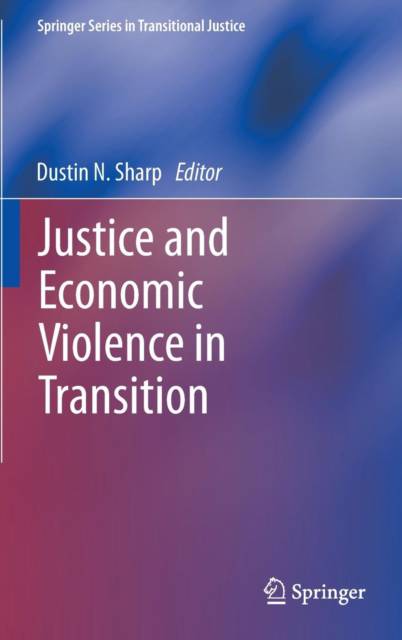
Justice and Economic Violence in Transition
€ 244,45
+ 488 punten
Omschrijving
This book examines the role of economic violence (violations of economic and social rights, corruption, and plunder of natural resources) within the transitional justice agenda. Because economic violence often leads to conflict, is perpetrated during conflict, and continues afterwards as a legacy of conflict, a greater focus on economic and social rights issues in the transitional justice context is critical. One might add that insofar as transitional justice is increasingly seen as an instrument of peacebuilding rather than a simple political transition, focus on economic violence as the crucial "root cause" is key to preventing re-lapse into conflict. Recent increasing attention to economic issues by academics and truth commissions suggest this may be slowly changing, and that economic and social rights may represent the "next frontier" of transitional justice concerns. There remain difficult questions that have yet to be worked out at the level of theory, policy, and practice. Further scholarship in this regard is both timely, and necessary. This volume therefore presents an opportunity to fill an important gap. The project will bring together new papers by recognized and emerging scholars and policy experts in the field.
Specificaties
Betrokkenen
- Uitgeverij:
Inhoud
- Aantal bladzijden:
- 328
- Taal:
- Engels
- Reeks:
- Reeksnummer:
- nr. 5
Eigenschappen
- Productcode (EAN):
- 9781461481713
- Verschijningsdatum:
- 14/09/2013
- Uitvoering:
- Hardcover
- Formaat:
- Genaaid
- Afmetingen:
- 156 mm x 234 mm
- Gewicht:
- 703 g

Alleen bij Standaard Boekhandel
+ 488 punten op je klantenkaart van Standaard Boekhandel

Beoordelingen
We publiceren alleen reviews die voldoen aan de voorwaarden voor reviews. Bekijk onze voorwaarden voor reviews.