


- Afhalen na 1 uur in een winkel met voorraad
- Gratis thuislevering in België vanaf € 30
- Ruim aanbod met 7 miljoen producten
- Afhalen na 1 uur in een winkel met voorraad
- Gratis thuislevering in België vanaf € 30
- Ruim aanbod met 7 miljoen producten





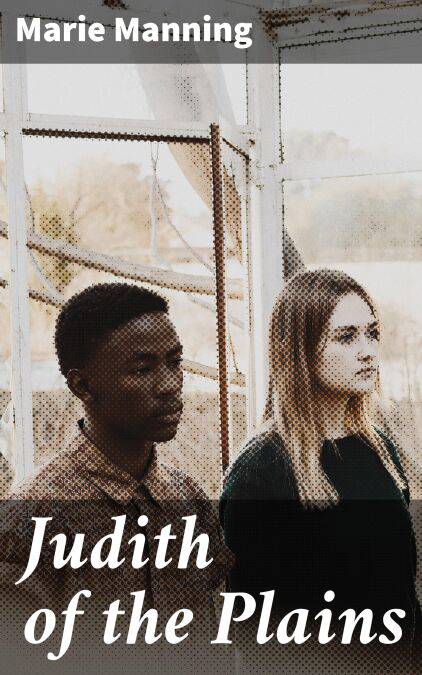
Judith of the Plains E-BOOK
A Trailblazing Journey through the American West
Marie Manning
E-book | Engels
€ 0,49
Eenvoudig bestellen
Veilig betalen


Onmiddellijk geleverd via e-mail
Omschrijving
In "Judith of the Plains," Marie Manning masterfully intertwines the themes of resilience, identity, and the exploration of frontier life in the late 19th century. The novel follows the titular character, Judith, as she navigates the challenges of life on the Great Plains, grappling with societal expectations and her deep-seated desires for autonomy and self-determination. Manning's literary style is characterized by vivid imagery and rich character development, drawing readers into a world where the landscape is as much a character as the individuals who inhabit it. The book not only encapsulates the struggles and triumphs of women in a patriarchal society but also reflects broader socio-political movements of its time, including the rise of feminism and the quest for personal agency against the backdrop of expanding frontiers. Marie Manning, an insightful chronicler of human experience, was influenced by her own upbringing in a turbulent yet transformative era. Having spent years studying the sociocultural dynamics of frontier life, Manning's writing is imbued with authenticity and a profound understanding of the historical context. Her dedication to illuminating the female experience during this era has allowed her to create a narrative that resonates deeply with readers, offering a voice to those often forgotten by history. "Judith of the Plains" is highly recommended for anyone interested in historical fiction that not only entertains but also enriches the mind. Manning's nuanced portrayal of Judith serves as a timeless reminder of the human spirit's capacity to persevere. This novel is an indispensable addition to the library of those who seek to explore the complexities of female identity against a ruggedly beautiful, yet unforgiving, landscape.
Specificaties
Betrokkenen
- Auteur(s):
- Uitgeverij:
Inhoud
- Aantal bladzijden:
- 271
- Taal:
- Engels
Eigenschappen
- Productcode (EAN):
- 4064066107642
- Verschijningsdatum:
- 15/03/2020
- Uitvoering:
- E-book
- Beveiligd met:
- Digital watermarking
- Formaat:
- ePub


Alleen bij Standaard Boekhandel
CADEAU

AANGERADEN


Beoordelingen
We publiceren alleen reviews die voldoen aan de voorwaarden voor reviews. Bekijk onze voorwaarden voor reviews.