


- Afhalen na 1 uur in een winkel met voorraad
- Gratis thuislevering in België vanaf € 30
- Ruim aanbod met 7 miljoen producten
- Afhalen na 1 uur in een winkel met voorraad
- Gratis thuislevering in België vanaf € 30
- Ruim aanbod met 7 miljoen producten





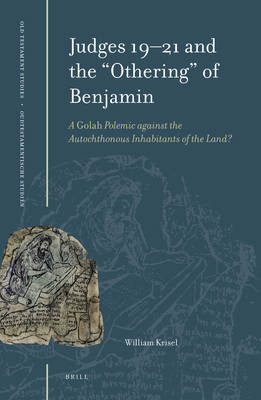
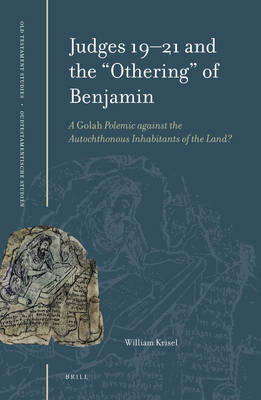
Judges 19-21 and the "Othering" of Benjamin
A Golah Polemic Against the Autochthonous Inhabitants of the Land?
William Krisel
€ 265,95
+ 531 punten
Omschrijving
Of all the tribes of Israel, why is Benjamin cast in the role of the villainous "other" in Judges 19-21? Krisel argues that the anti-Benjamin Tendenz in the narrative reflects economic, political and ideological tensions between the Golah community, the deportees who returned from Babylon during the early Persian period, and the people who had not gone into exile, who lived primarily in the Benjamin region. The hypothesis is supported by archaeological and survey data largely overlooked by biblical scholars and by a careful redaction history of the text. Krisel engages critically with the predominant scholarly view that Judges 19-21 uses "irony" to cast the explicit heroes in the narrative, the sons of Israel, as the implicit villains.
Specificaties
Betrokkenen
- Auteur(s):
- Uitgeverij:
Inhoud
- Aantal bladzijden:
- 464
- Taal:
- Engels
- Reeks:
- Reeksnummer:
- nr. 81
Eigenschappen
- Productcode (EAN):
- 9789004499348
- Verschijningsdatum:
- 6/01/2022
- Uitvoering:
- Hardcover
- Formaat:
- Genaaid
- Afmetingen:
- 155 mm x 235 mm
- Gewicht:
- 893 g


Alleen bij Standaard Boekhandel
+ 531 punten op je klantenkaart van Standaard Boekhandel
CADEAU


Beoordelingen
We publiceren alleen reviews die voldoen aan de voorwaarden voor reviews. Bekijk onze voorwaarden voor reviews.