



Je cadeautjes zeker op tijd in huis hebben voor de feestdagen? Kom langs in onze winkels en vind het perfecte geschenk!
- Afhalen na 1 uur in een winkel met voorraad
- Gratis thuislevering in België vanaf € 30
- Ruim aanbod met 7 miljoen producten
Je cadeautjes zeker op tijd in huis hebben voor de feestdagen? Kom langs in onze winkels en vind het perfecte geschenk!
- Afhalen na 1 uur in een winkel met voorraad
- Gratis thuislevering in België vanaf € 30
- Ruim aanbod met 7 miljoen producten





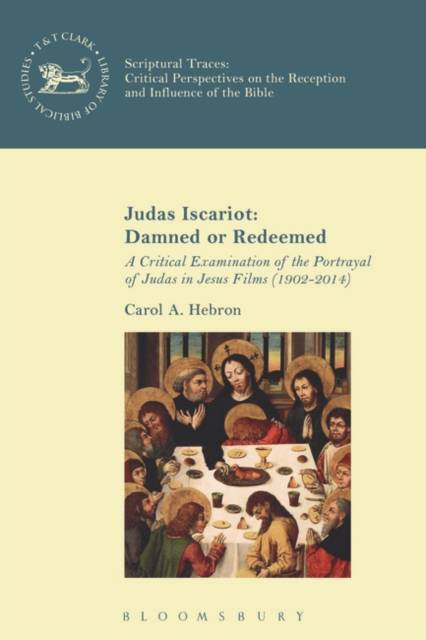
Judas Iscariot
Damned or Redeemed: A Critical Examination of the Portrayal of Judas in Jesus Films (1902-2014)
Carol A Hebron
€ 79,95
+ 159 punten
Uitvoering
Omschrijving
At the beginning of the 20th century, Judas was characterised in film as the epitome of evil: the villainous Jew. Film-makers cast Judas in this way because this was the Judas that audiences had come to recognize and even expect. But in the following three decades, film-makers - as a result of critical biblical study - were more circumspect about accepting the alleged historicity of the Gospel accounts. Carol A. Hebron examines the figure of Judas across film history to show how the portrayal becomes more nuanced and more significant, even to the point where Judas becomes the protagonist with a role in the film equal in importance to that of Jesus'. Hebron examines how, in these films, we begin to see a rehabilitation of the Judas character and a restoration of Judaism.
Hebron reveals two distinct theologies: 'rejection' and 'acceptance'. The Nazi Holocaust and the exposure of the horrors of genocide at the end of World War II influenced how Judaism, Jews, and Judas, were to be portrayed in film. Rehabilitating the Judas character and the Jews was necessary, and film was deemed an appropriate medium in which to begin that process.
Hebron reveals two distinct theologies: 'rejection' and 'acceptance'. The Nazi Holocaust and the exposure of the horrors of genocide at the end of World War II influenced how Judaism, Jews, and Judas, were to be portrayed in film. Rehabilitating the Judas character and the Jews was necessary, and film was deemed an appropriate medium in which to begin that process.
Specificaties
Betrokkenen
- Auteur(s):
- Uitgeverij:
Inhoud
- Aantal bladzijden:
- 288
- Taal:
- Engels
- Reeks:
Eigenschappen
- Productcode (EAN):
- 9780567686947
- Verschijningsdatum:
- 21/02/2019
- Uitvoering:
- Paperback
- Formaat:
- Trade paperback (VS)
- Afmetingen:
- 156 mm x 234 mm
- Gewicht:
- 444 g


Alleen bij Standaard Boekhandel
+ 159 punten op je klantenkaart van Standaard Boekhandel
CADEAU


Beoordelingen
We publiceren alleen reviews die voldoen aan de voorwaarden voor reviews. Bekijk onze voorwaarden voor reviews.