


- Afhalen na 1 uur in een winkel met voorraad
- Gratis thuislevering in België vanaf € 30
- Ruim aanbod met 7 miljoen producten
- Afhalen na 1 uur in een winkel met voorraad
- Gratis thuislevering in België vanaf € 30
- Ruim aanbod met 7 miljoen producten





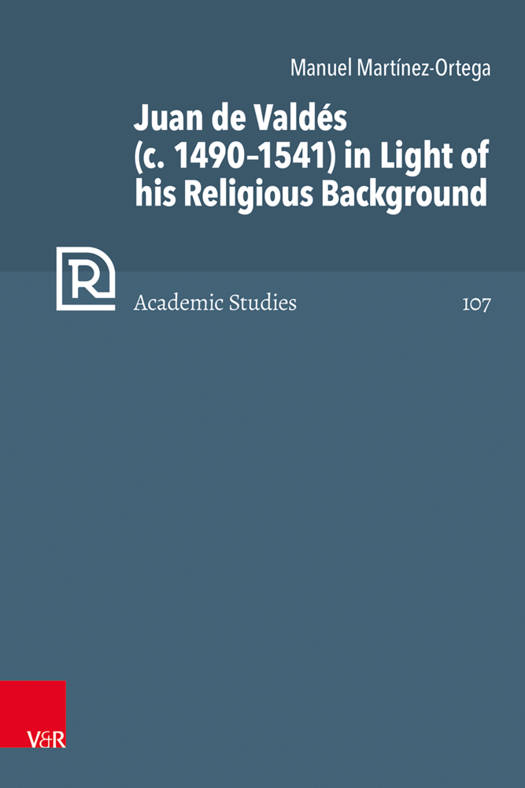
Juan de Valdes (C. 1490-1541) in Light of His Religious Background
Manuel Martinez-Ortega
€ 157,95
+ 315 punten
Uitvoering
Omschrijving
Having been discarded into the oblivion of "heretics", the figure of Juan de Valdes only began to be recovered at the end of the 19th century. Initially associated with Protestantism, Valdes has been portrayed by a range of writers who have each tried to classify him in one of the religious categories of the time: erasmian, catholic, alumbrado or protestant. However, the very diversity of portraits only confirmed the need for a more eclectic point of view. In his book Manuel Martinez-Ortega examines particular religious trends, texts and tendencies of Valdes' time and context in order to identify, through the analysis of his writings, the particular characteristics and emphases of his eclecticism. His writings include commentaries on the Bible, with translation from Greek into Spanish, as well as a sizable "spiritual manual" and something like theological sketches, all of which portray his convictions and message. The analysis of his writings and their background reveal that, within the movement of Spanish Protestantism, Juan de Valdes constitutes a clear example of religious currents that received and assimilated key principles of the Protestant Reformation.
Specificaties
Betrokkenen
- Auteur(s):
- Uitgeverij:
Inhoud
- Aantal bladzijden:
- 559
- Taal:
- Engels
- Reeks:
- Reeksnummer:
- nr. 107
Eigenschappen
- Productcode (EAN):
- 9783525502334
- Verschijningsdatum:
- 13/10/2025
- Uitvoering:
- Hardcover
- Formaat:
- Genaaid
- Afmetingen:
- 154 mm x 230 mm
- Gewicht:
- 535 g



Alleen bij Standaard Boekhandel
+ 315 punten op je klantenkaart van Standaard Boekhandel
CADEAU

AANGERADEN


Beoordelingen
We publiceren alleen reviews die voldoen aan de voorwaarden voor reviews. Bekijk onze voorwaarden voor reviews.