


- Afhalen na 1 uur in een winkel met voorraad
- Gratis thuislevering in België vanaf € 30
- Ruim aanbod met 7 miljoen producten
- Afhalen na 1 uur in een winkel met voorraad
- Gratis thuislevering in België vanaf € 30
- Ruim aanbod met 7 miljoen producten





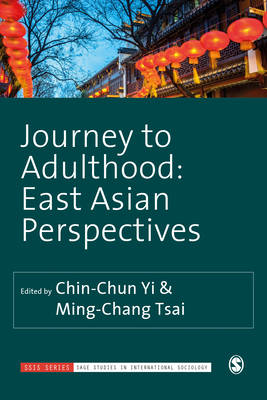
Journey to Adulthood
East Asian Perspectives
€ 189,45
+ 378 punten
Omschrijving
Young people in East Asia are increasingly experiencing a prolonged transition to adulthood. They are spending longer in school, entering the labour market later, and getting married later still.
This protracted young adulthood interacts with forces of both tradition and modernization, as social and economic changes generate profound effects on the transition from school to work, on family formation, on personal relationships, and on subjective well-being.
Journey to Adulthood explores the special characteristics of young adulthood in East Asia. It uses Taiwan as illustrative example, with comparative findings from its East Asian neighbours Japan, Korea and Hong Kong.
It describes the particular growth context of a millennial generation, and the challenges they face as they attempt to balance family formation, personal development and entry into a market economy.
Edited by Chin-Chun Yi and Ming-Chang Tsai, this collection helps us to understand the structural configurations East Asian young adults collectively represent. Taking a cross-cultural and comparative perspective, it enables meaningful policy suggestions on family dynamics, educational strategy, and health and well-being across the globe.
Dr Chin-Chun Yi and Dr Ming-Chang Tsai both work within the Institute of Sociology, Research Center for Humanities and Social Sciences, Academia Sinica, Taiwan
This protracted young adulthood interacts with forces of both tradition and modernization, as social and economic changes generate profound effects on the transition from school to work, on family formation, on personal relationships, and on subjective well-being.
Journey to Adulthood explores the special characteristics of young adulthood in East Asia. It uses Taiwan as illustrative example, with comparative findings from its East Asian neighbours Japan, Korea and Hong Kong.
It describes the particular growth context of a millennial generation, and the challenges they face as they attempt to balance family formation, personal development and entry into a market economy.
Edited by Chin-Chun Yi and Ming-Chang Tsai, this collection helps us to understand the structural configurations East Asian young adults collectively represent. Taking a cross-cultural and comparative perspective, it enables meaningful policy suggestions on family dynamics, educational strategy, and health and well-being across the globe.
Dr Chin-Chun Yi and Dr Ming-Chang Tsai both work within the Institute of Sociology, Research Center for Humanities and Social Sciences, Academia Sinica, Taiwan
Specificaties
Betrokkenen
- Uitgeverij:
Inhoud
- Aantal bladzijden:
- 440
- Taal:
- Engels
- Reeks:
Eigenschappen
- Productcode (EAN):
- 9781529608441
- Verschijningsdatum:
- 3/04/2023
- Uitvoering:
- Hardcover
- Formaat:
- Genaaid
- Afmetingen:
- 156 mm x 234 mm
- Gewicht:
- 789 g

Alleen bij Standaard Boekhandel
+ 378 punten op je klantenkaart van Standaard Boekhandel
Cadeau

AANGERADEN


Beoordelingen
We publiceren alleen reviews die voldoen aan de voorwaarden voor reviews. Bekijk onze voorwaarden voor reviews.