


- Afhalen na 1 uur in een winkel met voorraad
- Gratis thuislevering in België vanaf € 30
- Ruim aanbod met 7 miljoen producten
- Afhalen na 1 uur in een winkel met voorraad
- Gratis thuislevering in België vanaf € 30
- Ruim aanbod met 7 miljoen producten





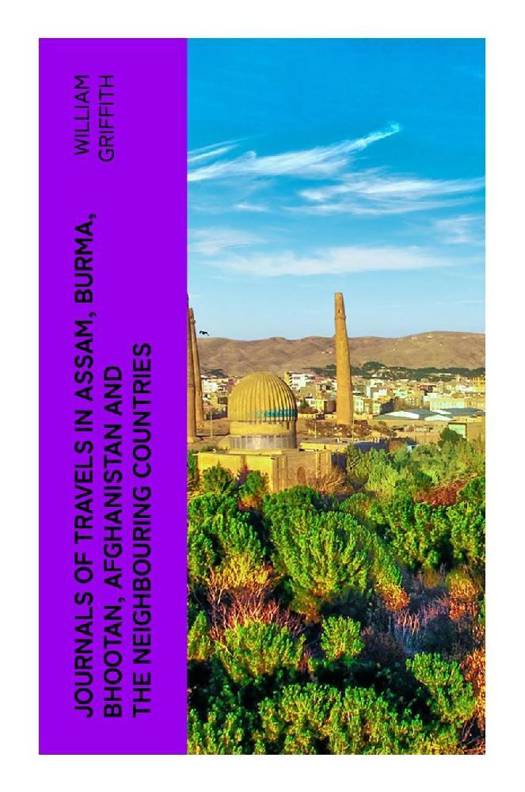
Journals of Travels in Assam, Burma, Bhootan, Afghanistan and the Neighbouring Countries
A Victorian Naturalist's Journeys Across Asian Frontiers
William Griffith
Paperback | Engels
€ 18,95
+ 37 punten
Eenvoudig bestellen
Veilig betalen


Gratis thuislevering vanaf € 30 (via bpost)
Gratis levering in je Standaard Boekhandel
Omschrijving
Journals of Travels in Assam, Burma, Bhootan, Afghanistan and the Neighbouring Countries is a richly empirical work of nineteenth-century travel literature, combining itinerary, natural history, and imperial reconnaissance. Griffith's prose is precise, taxonomic, and observant, moving from botanical description to notes on terrain, climate, customs, and political conditions. Situated within the expanding literature of British exploration in Asia, the journals reveal both the scientific ambitions and colonial assumptions of their age, while preserving invaluable records of regions then imperfectly known to European readers. William Griffith was a British physician and botanist in the service of the East India Company, trained in the scientific habits of observation that shaped his restless journeys across South and Southeast Asia. His medical background, botanical expertise, and official appointments gave him unusual access to frontier zones, enabling him to document plants, landscapes, and peoples with a rigor that reflects the period's fusion of science, administration, and exploration. The volume, published after his early death, stands as part of his larger contribution to Asian botany. This book is recommended to readers interested in travel writing, colonial science, Himalayan and Southeast Asian history, and the development of botanical knowledge. It rewards close reading as both a historical document and a disciplined record of encounter.
Specificaties
Betrokkenen
- Auteur(s):
- Uitgeverij:
Inhoud
- Taal:
- Engels
Eigenschappen
- Productcode (EAN):
- 9788027382125
- Uitvoering:
- Paperback
- Afmetingen:
- 152 mm x 229 mm
- Gewicht:
- 501 g


Alleen bij Standaard Boekhandel
+ 37 punten op je klantenkaart van Standaard Boekhandel
CADEAU

AANGERADEN


Beoordelingen
We publiceren alleen reviews die voldoen aan de voorwaarden voor reviews. Bekijk onze voorwaarden voor reviews.