



Je cadeautjes zeker op tijd in huis hebben voor de feestdagen? Kom langs in onze winkels en vind het perfecte geschenk!
- Afhalen na 1 uur in een winkel met voorraad
- Gratis thuislevering in België vanaf € 30
- Ruim aanbod met 7 miljoen producten
Je cadeautjes zeker op tijd in huis hebben voor de feestdagen? Kom langs in onze winkels en vind het perfecte geschenk!
- Afhalen na 1 uur in een winkel met voorraad
- Gratis thuislevering in België vanaf € 30
- Ruim aanbod met 7 miljoen producten





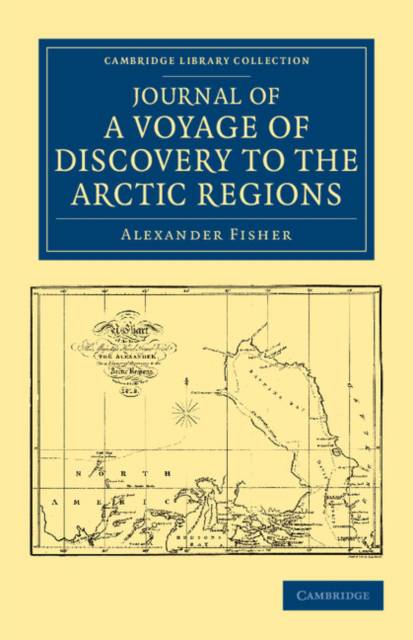
Journal of a Voyage of Discovery to the Arctic Regions, Performed 1818, in His Majesty's Ship Alexander, Wm. Edw. Parry, Esq. Lieut. and Commander
Alexander Fisher
€ 53,45
+ 106 punten
Omschrijving
This journal, published in 1819 and generally attributed to Alexander Fisher, assistant surgeon of the Alexander, describes Sir John Ross' abortive expedition to search for the North-West Passage. Ross' own report of the voyage (also reissued in this series) was highly controversial, and William Edward Parry (1790-1855), who had commanded the Alexander, was sent by the Admiralty early in 1819 to continue the mission instead of his former superior. Fisher's account, which he insists is 'strictly true', begins with details of the generous provisions and special cold-weather equipment on the ships (including a form of central heating, and wolf-skin blankets issued gratis to all personnel). He vividly describes Baffin Bay, icebergs, and 'dismal' black cliffs, identified by regular compass bearings. Later, the author expresses surprise at Ross' ship turning around and leaving Lancaster Sound, although no land was visible ahead; this incriminating detail may explain Fisher's preference for anonymity.
Specificaties
Betrokkenen
- Auteur(s):
- Uitgeverij:
Inhoud
- Aantal bladzijden:
- 128
- Taal:
- Engels
- Reeks:
Eigenschappen
- Productcode (EAN):
- 9781108042246
- Verschijningsdatum:
- 29/12/2011
- Uitvoering:
- Paperback
- Formaat:
- Trade paperback (VS)
- Afmetingen:
- 140 mm x 216 mm
- Gewicht:
- 172 g



Alleen bij Standaard Boekhandel
+ 106 punten op je klantenkaart van Standaard Boekhandel
CADEAU


Beoordelingen
We publiceren alleen reviews die voldoen aan de voorwaarden voor reviews. Bekijk onze voorwaarden voor reviews.