


- Afhalen na 1 uur in een winkel met voorraad
- Gratis thuislevering in België vanaf € 30
- Ruim aanbod met 7 miljoen producten
- Afhalen na 1 uur in een winkel met voorraad
- Gratis thuislevering in België vanaf € 30
- Ruim aanbod met 7 miljoen producten





€ 19,99
+ 19 punten
Uitvoering
Omschrijving
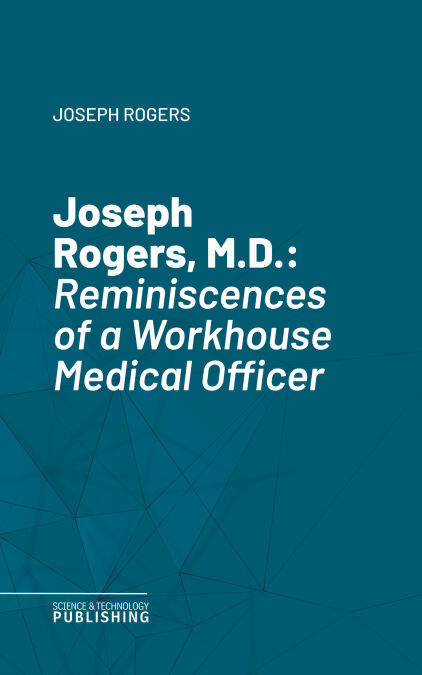
Joseph Rogers, M.D.: Reminiscences of a Workhouse Medical Officer is a compelling and candid memoir that offers a rare, firsthand account of the grim realities of Victorian England’s workhouse system. Written by Dr. Joseph Rogers, a pioneering physician and social reformer, the book chronicles his experiences as a medical officer in various London workhouses during the mid-19th century. Rogers exposes the appalling conditions endured by the poor and sick, detailing the neglect, bureaucratic indifference, and systemic cruelty that characterized the administration of the Poor Law. Through vivid anecdotes and personal reflections, he highlights the struggles of inmates, the resistance he faced from guardians and officials, and his tireless efforts to improve medical care and advocate for humane treatment. Rogers’s narrative is both a scathing indictment of institutional failings and a testament to the power of compassion and reform. Rich in historical detail, the memoir not only illuminates the social and medical history of the era but also serves as an enduring call for justice and empathy toward society’s most vulnerable members.
Specificaties
Betrokkenen
- Auteur(s):
- Uitgeverij:
Inhoud
- Taal:
- Engels
Eigenschappen
- Productcode (EAN):
- 9782528115909
- Verschijningsdatum:
- 31/08/2025
- Uitvoering:
- E-book
- Formaat:
- ePub


Alleen bij Standaard Boekhandel
+ 19 punten op je klantenkaart van Standaard Boekhandel
Cadeau

AANGERADEN


Beoordelingen
We publiceren alleen reviews die voldoen aan de voorwaarden voor reviews. Bekijk onze voorwaarden voor reviews.