


- Afhalen na 1 uur in een winkel met voorraad
- Gratis thuislevering in België vanaf € 30
- Ruim aanbod met 7 miljoen producten
- Afhalen na 1 uur in een winkel met voorraad
- Gratis thuislevering in België vanaf € 30
- Ruim aanbod met 7 miljoen producten




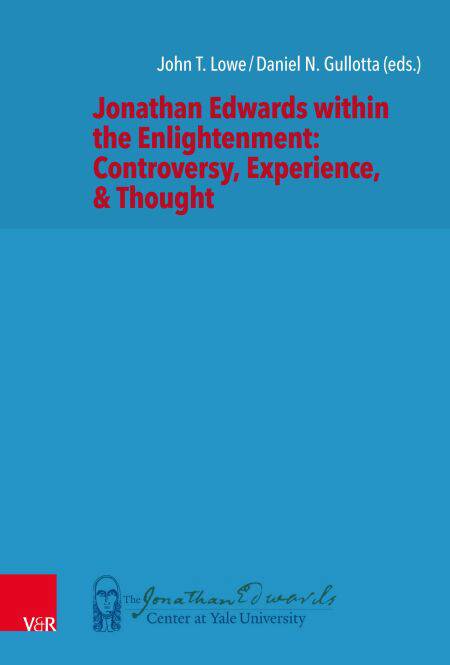
Jonathan Edwards within the Enlightenment: Controversy, Experience, & Thought E-BOOK
€ 120,00
+ 120 punten
Omschrijving
In her Epilogue entitled "What Is His Greatness?", Ola Elizabeth Winslow stated in the first serious modern biography of Jonathan Edwards: "In a word, it is the greatness of one who had a determining art of initiating and directing a popular movement of far-reaching consequence, and who in addition, laid the foundations for a new system of religious thought, also of far-reaching consequence." After two and a half centuries since Edwards's death, Winslow's statement is undoubtedly true, and perhaps, more so now than ever. The recovery of Edwards pioneered by Perry Miller, Ola Winslow, and Thomas Schafer, among others, has become what is often referred to as an "Edwards renaissance," and has been made even more popular among lay people by John Piper, Stephen Nichols, and the like. Since the free online access of The Works of Jonathan Edwards by Yale University, dozens of books, and articles, as well as numerous dissertations, each year are written to seek a facet of Edwards's "greatness," and thus as an exemplar of his continued "far-reaching consequence."
Jonathan Edwards, more than any other pre-revolutionary colonial thinker, grappled with the promises and perils of the Enlightenment. Organized by John T. Lowe and Daniel N. Gullotta, Jonathan Edwards within the Enlightenment brings together a group of young and early career scholars to present their propping the life, times, and theology of one of America's greatest minds. Many of these subjects have been seldom explored by scholars while others offer new and exciting avenues into well covered territory. Some of these topics include Edwards' interaction with and involvement in slavery, colonialism, racism, as well as musings on gender, populism, violence, pain, and witchcraft.
Jonathan Edwards, more than any other pre-revolutionary colonial thinker, grappled with the promises and perils of the Enlightenment. Organized by John T. Lowe and Daniel N. Gullotta, Jonathan Edwards within the Enlightenment brings together a group of young and early career scholars to present their propping the life, times, and theology of one of America's greatest minds. Many of these subjects have been seldom explored by scholars while others offer new and exciting avenues into well covered territory. Some of these topics include Edwards' interaction with and involvement in slavery, colonialism, racism, as well as musings on gender, populism, violence, pain, and witchcraft.
Specificaties
Betrokkenen
- Uitgeverij:
Inhoud
- Aantal bladzijden:
- 337
- Taal:
- Engels
- Reeks:
Eigenschappen
- Productcode (EAN):
- 9783647564883
- Verschijningsdatum:
- 10/05/2020
- Uitvoering:
- E-book
- Formaat:


Alleen bij Standaard Boekhandel
+ 120 punten op je klantenkaart van Standaard Boekhandel
AANGERADEN


Beoordelingen
We publiceren alleen reviews die voldoen aan de voorwaarden voor reviews. Bekijk onze voorwaarden voor reviews.