


- Afhalen na 1 uur in een winkel met voorraad
- Gratis thuislevering in België vanaf € 30
- Ruim aanbod met 7 miljoen producten
- Afhalen na 1 uur in een winkel met voorraad
- Gratis thuislevering in België vanaf € 30
- Ruim aanbod met 7 miljoen producten





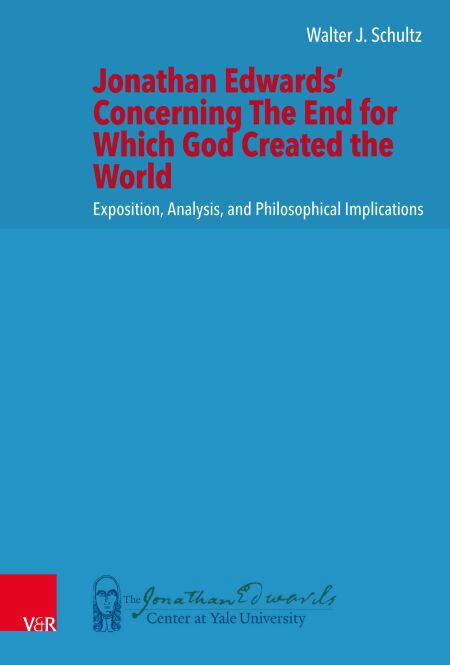
Jonathan Edwards' Concerning The End for Which God Created the World E-BOOK
Exposition, Analysis, and Philosophical Implications
Walter J. Schultz
€ 110,00
+ 110 punten
Omschrijving
This book is an exposition of Jonathan Edwards' argumentation in his dissertation Concerning the End for Which God Created the World. In addition to stating Edwards' theses regarding God's end and motivation in creation, this book identifies and discusses the assumptions of his argumentation, analyses and explains its crucial components, and explores its philosophical implications. These implications include a version of exemplarism (i.e., the nature of God's ideas for creation), dispositionalism (i.e., the characteristics of God which explain God's motivation), and emanationism (i.e., what God shares of himself with persons who have a living faith in Christ). These entail a view of idealism (i.e., a view of the ultimate ontological ground of the universe), God's temporal nature, continuous creationism (i.e., how God sustains creation), a version of panentheism (i.e., how God, who is infinite, is related to creation, from which God is absolutely distinct), and occasionalism (i.e., the nature of causation of physical events or states of creation). These concepts and what they entail constitute a complete metaphysical system, providing a thoroughgoing divine action understanding of the foundation of reality. For Jonathan Edwards, God's acting according to his plans for his purposes in Christ is fundamental to all things. Were we to have an understanding of how the fundamental concepts of science, mathematics, and ordinary experience are related in reality to the God who acts for his original ultimate end in creation, sustaining the universe, while providentially guiding its affairs, and working redemption, we would have the opportunity to develop these as he had hoped, he pointed the way for others to follow.
Specificaties
Betrokkenen
- Auteur(s):
- Uitgeverij:
Inhoud
- Aantal bladzijden:
- 351
- Taal:
- Engels
- Reeks:
Eigenschappen
- Productcode (EAN):
- 9783647564869
- Verschijningsdatum:
- 19/01/2020
- Uitvoering:
- E-book
- Formaat:


Alleen bij Standaard Boekhandel
+ 110 punten op je klantenkaart van Standaard Boekhandel
Cadeau

AANGERADEN


Beoordelingen
We publiceren alleen reviews die voldoen aan de voorwaarden voor reviews. Bekijk onze voorwaarden voor reviews.